

Commentary
Rym Momtaz, ed.
{
  "authors": [
    "Rym Momtaz"
  ],
  "type": "commentary",
  "blog": "Strategic Europe",
  "centerAffiliationAll": "",
  "centers": [
    "Carnegie Endowment for International Peace",
    "Carnegie Europe"
  ],
  "englishNewsletterAll": "",
  "nonEnglishNewsletterAll": "",
  "primaryCenter": "Carnegie Europe",
  "programAffiliation": "",
  "regions": [
    "Europe",
    "United States"
  ],
  "topics": [
    "EU",
    "Foreign Policy"
  ]
}
Source: Getty
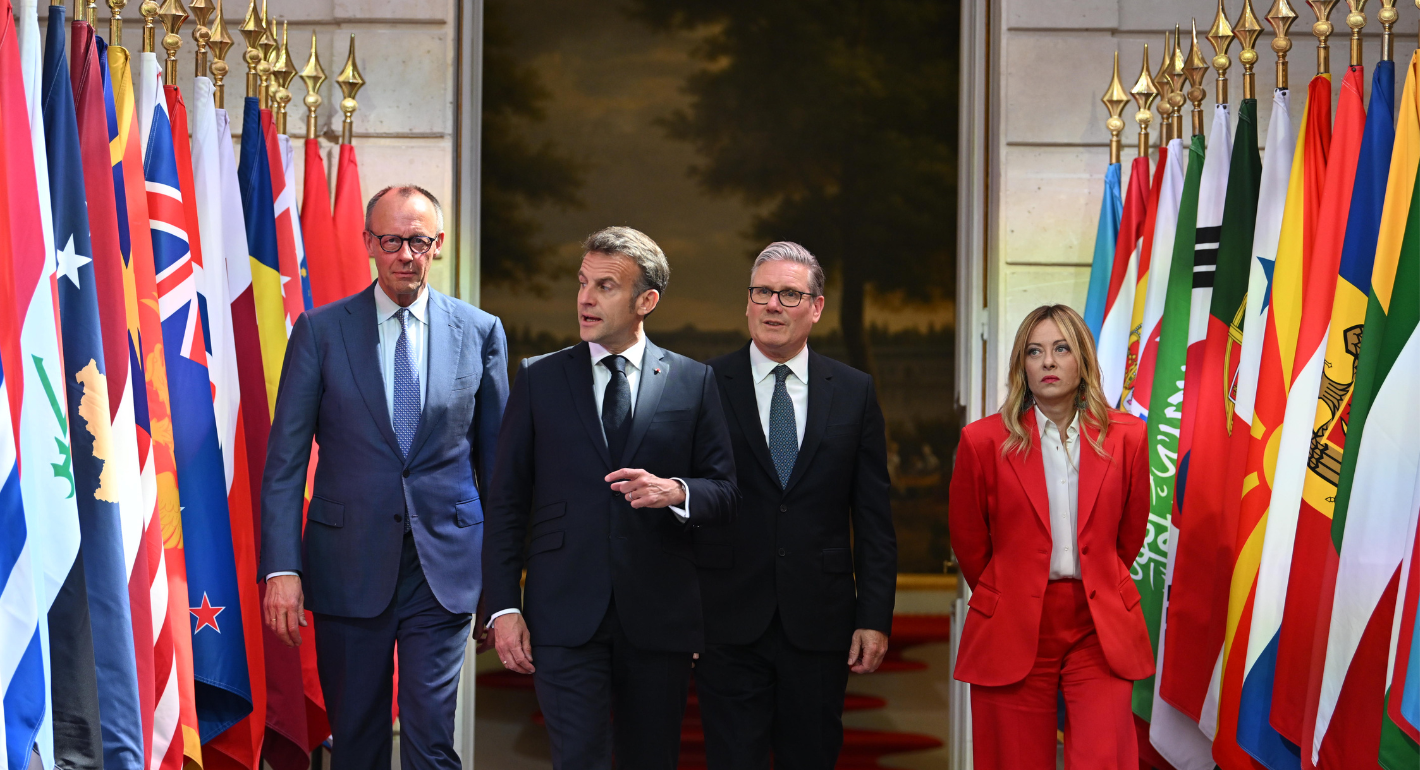
European leaders have now not only lost faith in Donald Trump’s U.S. presidency, but also in America’s hegemony as a whole. But short-term challenges make an immediate divorce unwise.
Behind the scenes of the genuflection and obsequiousness that has dominated European interactions with U.S. President Donald Trump since January 2025, an increasing number of leaders have been quietly making long-term shifts.
In tech, space, and defense in particular—arguably the most strategic fields—Europeans are increasingly weighing their historic reflex to buy American against the cost associated with the tempestuousness of the United States.
Some paragons of Atlanticism have recently chosen European providers for long-term structural contracts instead of American ones. The Dutch central bank ditched Amazon Web Services in favor of the German Lidl as their cloud operator, and Denmark’s defense ministry opted to purchase the Franco-Italian SAMP/T air defense system instead of U.S. Patriot batteries. Both decisions were driven in no small part by considerations for European sovereignty, in light of a crisis of U.S. reliability.
This is a shift Europeans are having to make reluctantly, and which they acknowledge will be challenging—if not detrimental—to them, at least in the immediate term. But they are being compelled to do so not because they cannot handle Donald Trump’s particular kind of diplomacy, but because unlike past challenges in the transatlantic relationship, America is now increasingly seen as unreliable, untrustworthy, and ill-prepared in its management of world affairs.
More than at any previous time, European policymakers are having a crisis of faith in the American system itself, one that goes beyond the unpredictability tied to any given occupant of the White House. That is an epochal shift in the global paradigm.
The Trump administration’s trade war and threats to Greenland have undoubtedly durably broken something in the transatlantic relationship, but it was the U.S.-Israeli war in Iran that pushed many over the edge. Washington’s inability to swiftly prosecute its war and prevent Tehran from blockading the Strait of Hormuz has undercut American deterrence and gravitas. It has also allowed the Iranian regime to take hostage one of the main arteries of global trade, with vast knock-on effects on countries around the world. Steadfast allies like Spain and Italy have tried to avoid potential blowback by limiting U.S. access to their airspace and bases as strategic footholds in the prosecution of the war.
This shock goes beyond Europe. Partners in the Arab Gulf and Asia are also quietly questioning America’s security guarantees and ability to underwrite freedom of navigation as a backbone of the global economy. This unwanted breakdown of America’s global power couldn’t have come at a better time for China, Russia, Iran, and others who have been deepening their partnerships.
Europe is still a long way from being able to truly claim strategic autonomy, both because it lacks the physical means to do so, and because many of its leaders still lack the political will to fully lean into the concept. Europeans bear a sizeable part of the responsibility for having refused to see the reality of what the United States has been turning into over the past decade. But despite administration officials continually calling for Europe to be more independent, the negative U.S. reaction to their recent attempts to do so has been a reminder that American policymakers don’t like to practice what they preach. Increasingly, Washington wants to provide much less to Europeans while continuing to cash in on major contracts with the continent, at a time of global economic crisis caused in no small part by U.S. decisions.
While there are limitations to the availability of short-term comparable alternatives to some essential American capabilities, Europeans have made consequential budgetary and industrial choices for the medium and long terms in response to requests by the Trump administration. They have also been making progress in other respects.
The two Franco-British-led coalitions of the willing, formed to organize European action in the Ukrainian and Gulf theaters, are cases in point. They have been derided as coalitions of the talking for good reason. Nothing they discuss is aimed at allowing them to shape either war or take action that would change the calculus of warring parties. Nevertheless, both are turning out to be the shy and imperfect seeds of operational European defense coordination.
The European Political Community, which French President Emmanuel Macron launched in 2022 to the confusion of many of his partners, is slowly but surely allowing for further strategic discussions. Canada’s participation in the May 2026 Yerevan summit is a vote of confidence in European efforts to chart a geopolitical path, however nascent it still is.
Talk of an irreversible breakdown of NATO or the transatlantic relationship remains premature. America continues to be the essential ally underpinning the West’s collective power. And the heavy reliance by U.S. troops on bases across Europe in the waging of the war on Iran should be a reminder of how the alliance serves American interests as well. But the mere fact that there is serious debate among experts and policymakers on both sides of the Atlantic about whether the U.S. would decisively intervene if Russia were to attack a NATO ally on the Eastern flank is uncharted territory for the balance of deterrence and a geopolitical shift that Europeans cannot afford to keep ignoring.
Trump’s seemingly impulsive announcement about a sizeable withdrawal of U.S. troops from Germany as retaliation for the German chancellor’s mild criticism of the war in Iran only deepens the crisis of confidence.
Thanks in no small part to Trump, Europeans have started burden-shifting within the alliance. And, given the choice, most Europeans would still prefer a closer relationship with the United States. But just as the massive drop in European tourism in America is driven by a fear of arbitrary searches and detention by immigration officials in airports, Washington’s changing behavior on the world stage is forcing even its closest partners—pillars of its global power—to quietly distance themselves.
Subscribe to Strategic Europe, delivered to you weekdays!

Editor in Chief, Strategic Europe
Rym Momtaz is the editor in chief of Carnegie Europe’s blog Strategic Europe. A multiple Emmy award-winning journalist-turned-analyst, she specializes in Europe and the Middle East and the interplay between those two spaces.
Recent Work
Rym Momtaz, ed.
Rym Momtaz
Carnegie does not take institutional positions on public policy issues; the views represented herein are those of the author(s) and do not necessarily reflect the views of Carnegie, its staff, or its trustees.
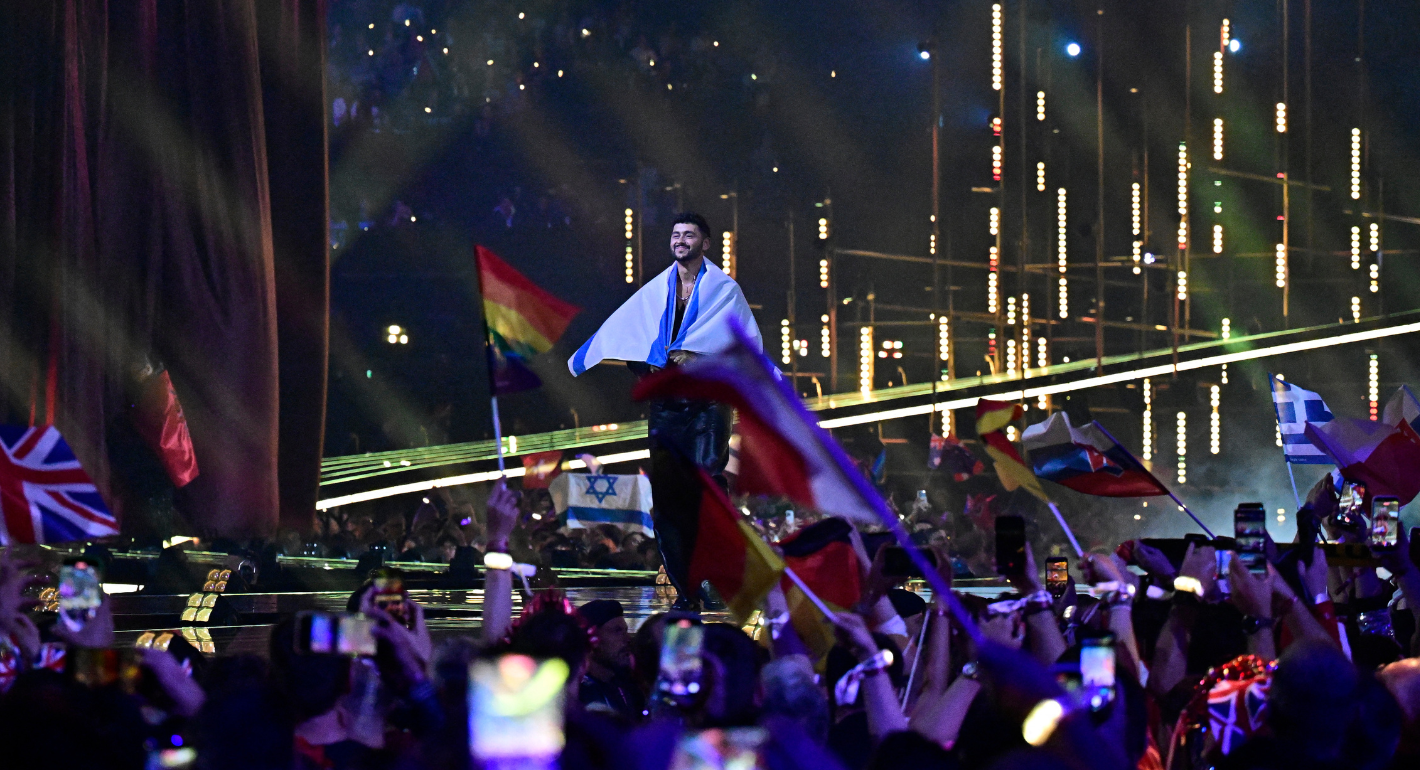
Five countries staged the biggest political boycott in Eurovision history over Israel’s participation. With the FIFA World Cup and other sporting or cultural touchstones on the horizon, are boycotts effective?
Rym Momtaz, ed.
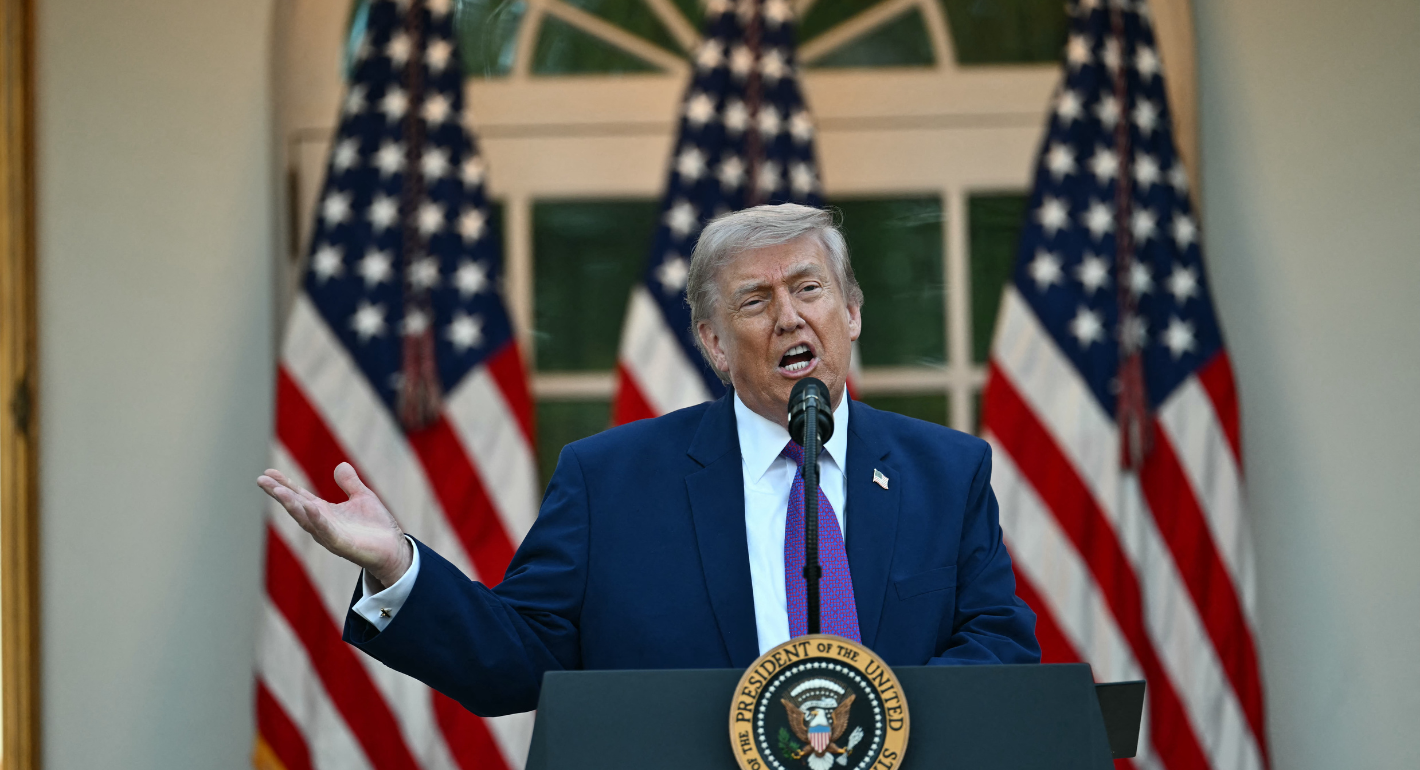
The full list of humiliations Europe has endured since Donald Trump returned to the White House makes for grim reading. But Washington’s adversarial approach to its allies undermines its own power base.
Rym Momtaz
The closure of the Strait of Hormuz has triggered a global energy crisis, but Europe is stuck in reaction mode. Without more strategic foresight, the EU will remain dependent on fossil fuels and will never be truly secure.


Milo McBride, Pauline Gerard
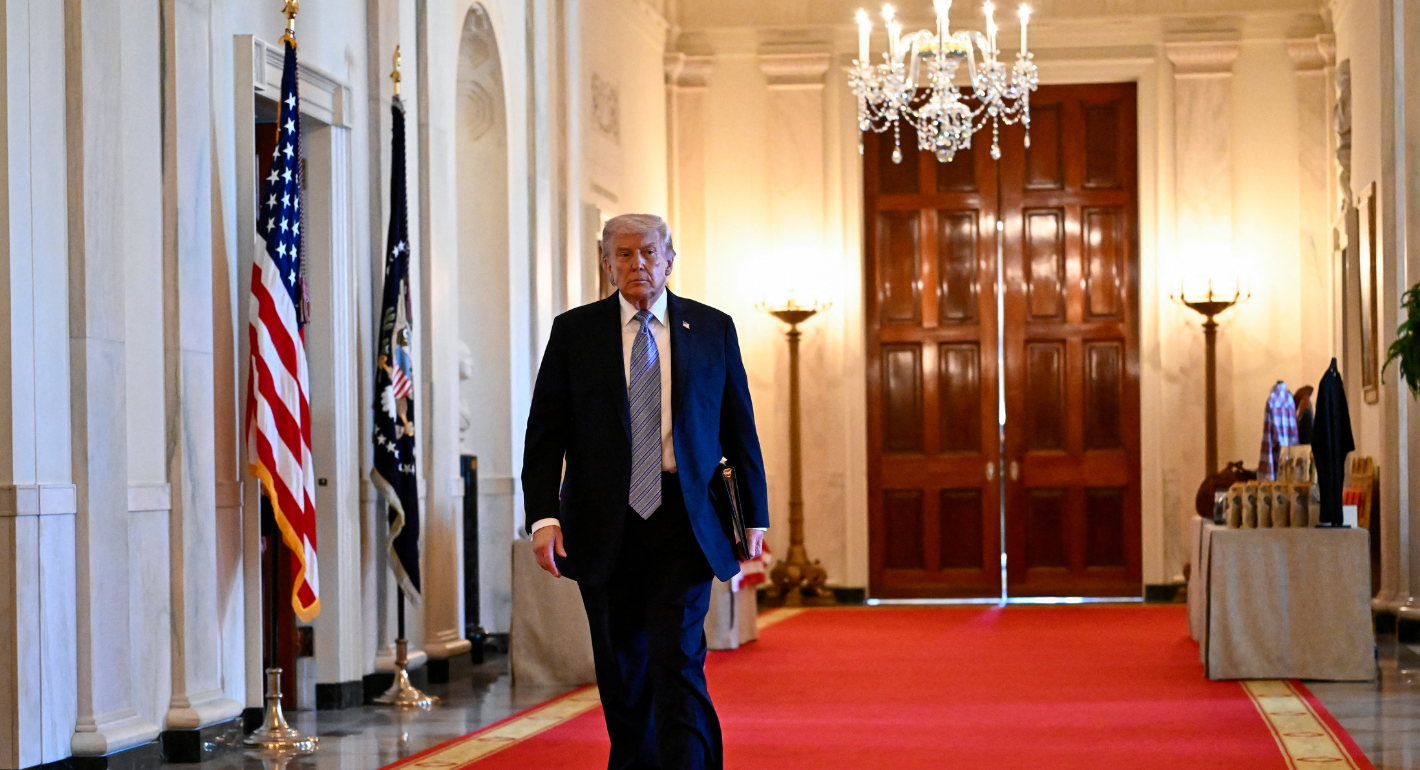
After spending much of 2025 trying to placate Donald Trump, some European leaders are starting to change posture. But is even a hostile Washington still so important to Europe that the U.S. president’s outbursts are worth putting up with?
Rym Momtaz, ed.
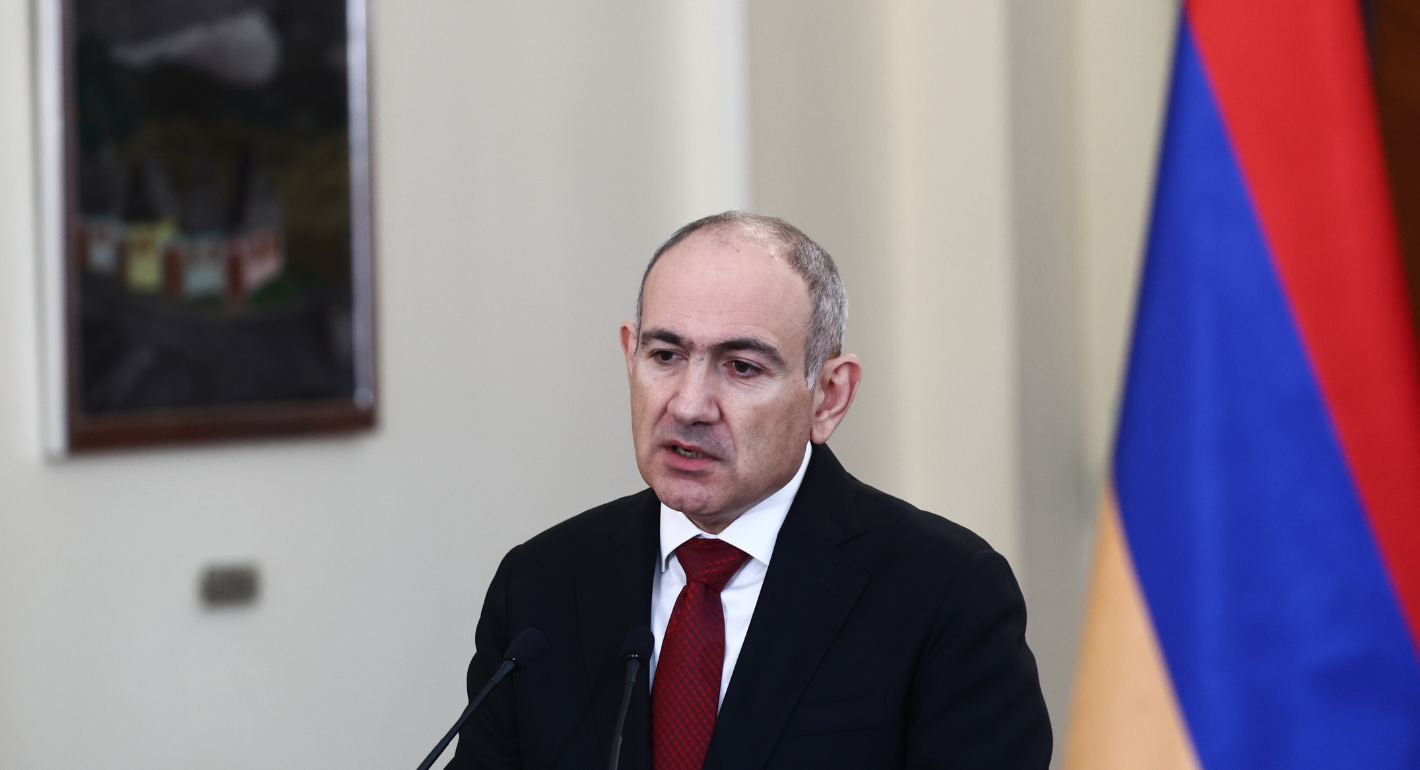
Europe has an interest in supporting Armenian leader Nikol Pashinyan as he tries to make peace with neighbors and loosen ties with Russia. But it is depersonalized support in the long term, not quickfire flash, that will win the day.

Thomas de Waal