

Q&A
- +2
Judy Dempsey, Alexander Gabuev, Rose Gottemoeller, …
{
  "authors": [
    "Rose Gottemoeller"
  ],
  "type": "other",
  "centerAffiliationAll": "dc",
  "centers": [
    "Carnegie Endowment for International Peace",
    "Carnegie Russia Eurasia Center"
  ],
  "collections": [],
  "englishNewsletterAll": "ctw",
  "nonEnglishNewsletterAll": "",
  "primaryCenter": "Carnegie Endowment for International Peace",
  "programAffiliation": "russia",
  "programs": [
    "Russia and Eurasia"
  ],
  "projects": [],
  "regions": [
    "North America",
    "United States",
    "Caucasus",
    "Russia",
    "Georgia"
  ],
  "topics": [
    "Foreign Policy",
    "Nuclear Policy",
    "Security"
  ]
}
Source: Getty
The crisis in Georgia bluntly revealed the failure by the United States and Russia to create a closer working relationship after the Cold War. Agreements like the START and Concentional Armed Forces in Europe treaties could help establish a new book of rules both countries can embrace.
The crisis in Georgia bluntly revealed the failure by the United States and Russia to create a closer working relationship after the Cold War. With both countries now in presidential transition, the potential for new misunderstandings and tensions grows even greater.

Nonresident Senior Fellow, Nuclear Policy Program
Rose Gottemoeller is a nonresident senior fellow in Carnegie’s Nuclear Policy Program. She also serves as lecturer at Stanford University’s Freeman Spogli Institute for International Studies and is a research fellow at the Hoover Institution. Ambassador Gottemoeller served as the deputy secretary general of NATO from 2016 to 2019.
Recent Work


Judy Dempsey, Alexander Gabuev, Rose Gottemoeller, …
Carnegie does not take institutional positions on public policy issues; the views represented herein are those of the author(s) and do not necessarily reflect the views of Carnegie, its staff, or its trustees.
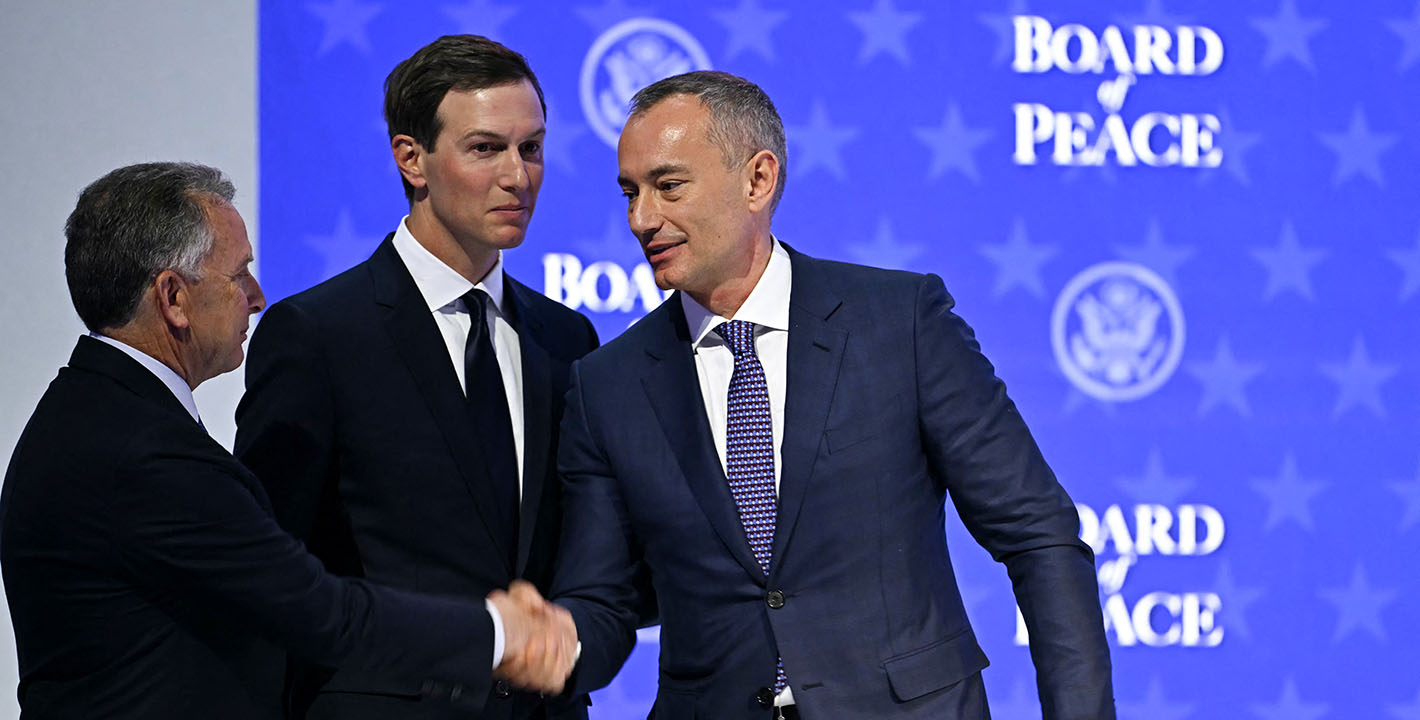
Policy discussion is ignoring that the Palestinian national project is hollowed out and apartheid is a present danger.

Nathan J. Brown

The EU’s new migration policy is not suited to today’s realities. With climate change increasingly becoming a driver of displacement, Europe needs to rethink its deterrence-focused approach.

Shana Tabak

Nuclear recycling has emerged as a salient, cross-cutting issue, one that is heavily dependent on broader choices among reactor designs, fuel availability, economic resources, technological options, and political choices. States and nuclear industries seeking to advance recycling must devote sustained consideration now to the interplay of all these factors.
Etienne Pochon
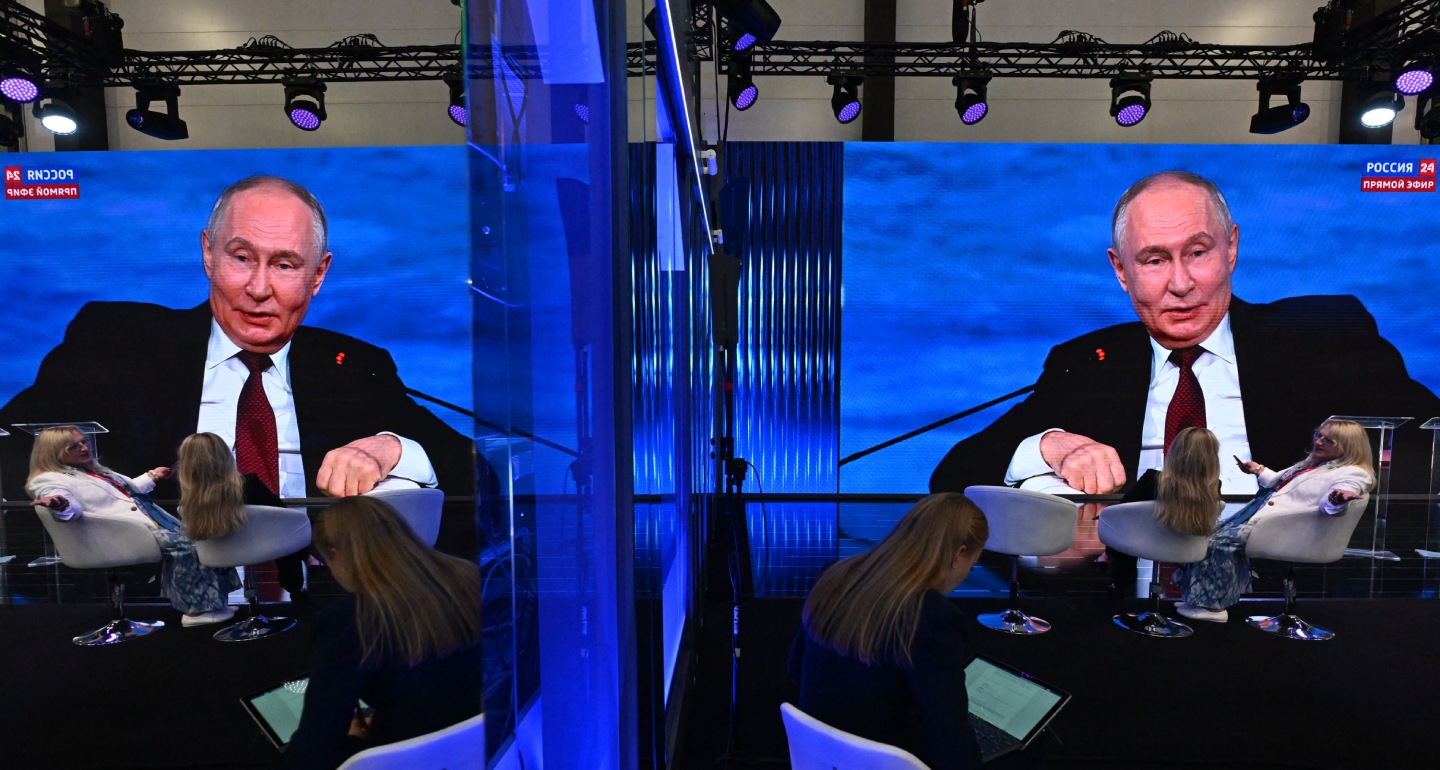
The issue is not that the president only has selective information at his disposal, but that the decision-making process consists of one person with an unshakeable vision of how the world works.

Tatiana Stanovaya
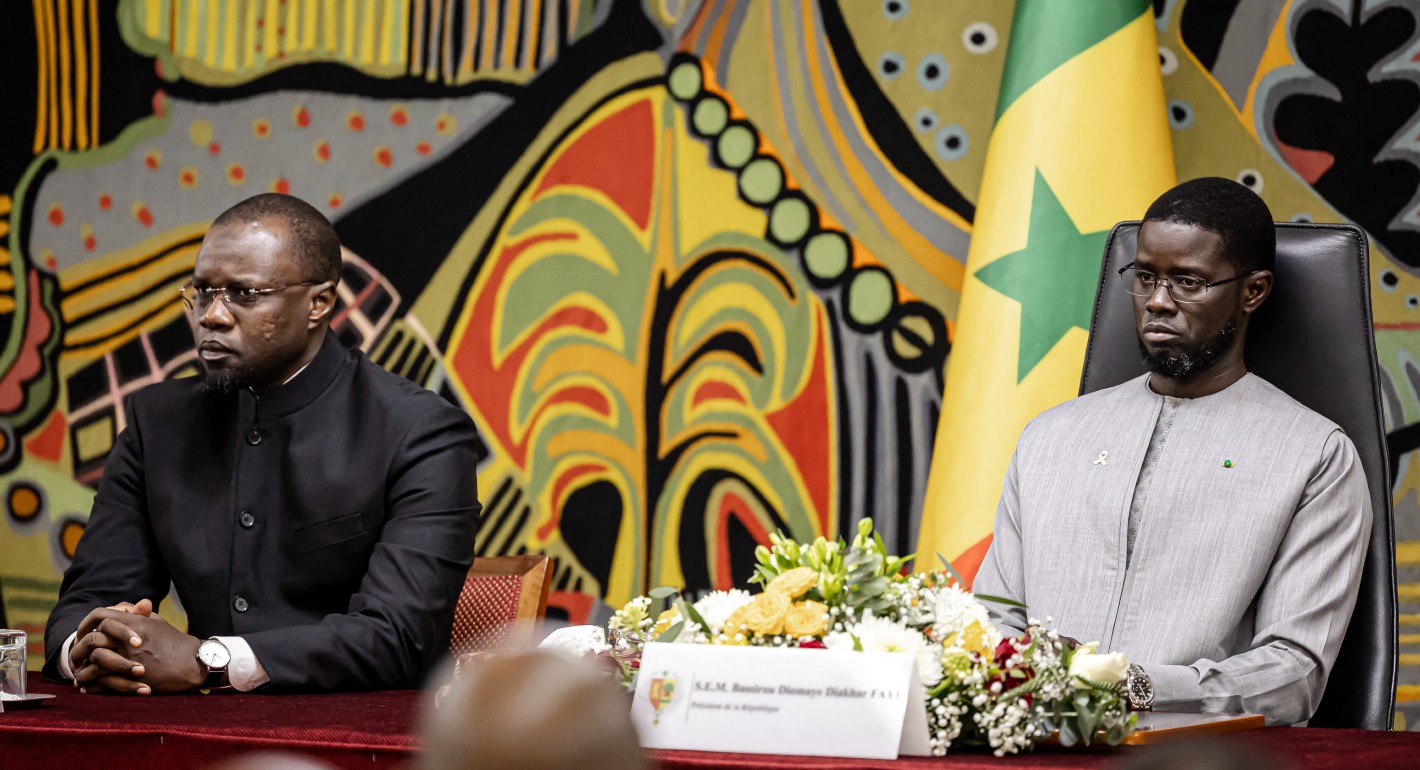
The impacts of the Faye-Sonko rupture could go well beyond the country’s borders.

Lesley Anne Warner