


program
Technology and International Affairs
Mirror Life Policy Working Group
Mirror life is an unprecedented risk that demands action. The Mirror Life Policy Working Group is developing recommendations for guiding and governing the pursuit of beneficial mirror biology while preventing the creation of mirror life.
Technology and International Affairs
The Technology and International Affairs Program develops insights to address the governance challenges and large-scale risks of new technologies. Our experts identify actionable best practices and incentives for industry and government leaders on artificial intelligence, cyber threats, cloud security, countering influence operations, reducing the risk of biotechnologies, and ensuring global digital inclusion.
What Is Mirror Life?
Mirror life refers to synthetic organisms built entirely from mirror-image biological molecules—the reverse of the molecular chirality found in all known life. Because immune systems and ecological defenses on Earth have evolved to recognize and respond to natural-chirality molecules, a self-replicating mirror organism could evade many of these defenses, potentially leading to lethal infections in humans, animals, and plants while proliferating widely in the environment. The United Nations Secretary-General's Scientific Advisory Board has concluded, “The creation of mirror life could pose a catastrophic threat to humanity.”
What Is the Working Group?
The Mirror Life Policy Working Group is an international, expert-led process to develop recommendations for preventing the creation of mirror life. The working group was developed to complement the extensive scientific dialogue on mirror life and offer policy recommendations informed by technical conclusions. The recommendations will be presented in a published policy report that addresses where guardrails could be established and how governments, the national and international security community, scientific institutions, and multilateral bodies can take action.
The co-chairs and members of the working group serve in their individual capacities. Institutional affiliations are for identification only.
The Carnegie Endowment for International Peace is convening the Mirror Life Policy Working Group with Secretariat support provided by the Mirror Biology Dialogues Fund (MBDF).
Co-Chairs
The Policy Working Group is led by four Co-Chairs representing the breadth of international scientific and policy expertise essential to producing recommendations with global credibility.
Dr. Margaret (Peggy) Hamburg
InterAcademy Partnership (IAP)
Professor Wilmot James
Brown University
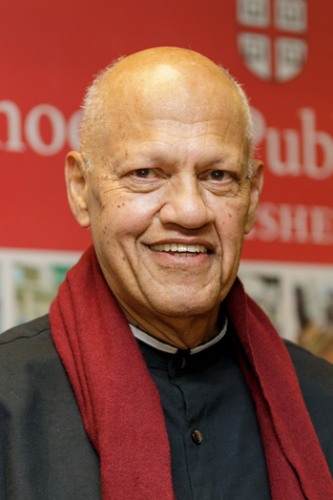
Professor Maria Leptin
European Research Council (ERC)

Professor Chenli Liu
Shenzhen Institutes of Advanced Technology (SIAT), Chinese Academy of Sciences
Carnegie Experts
Visiting Scholar, Technology and International Affairs Program
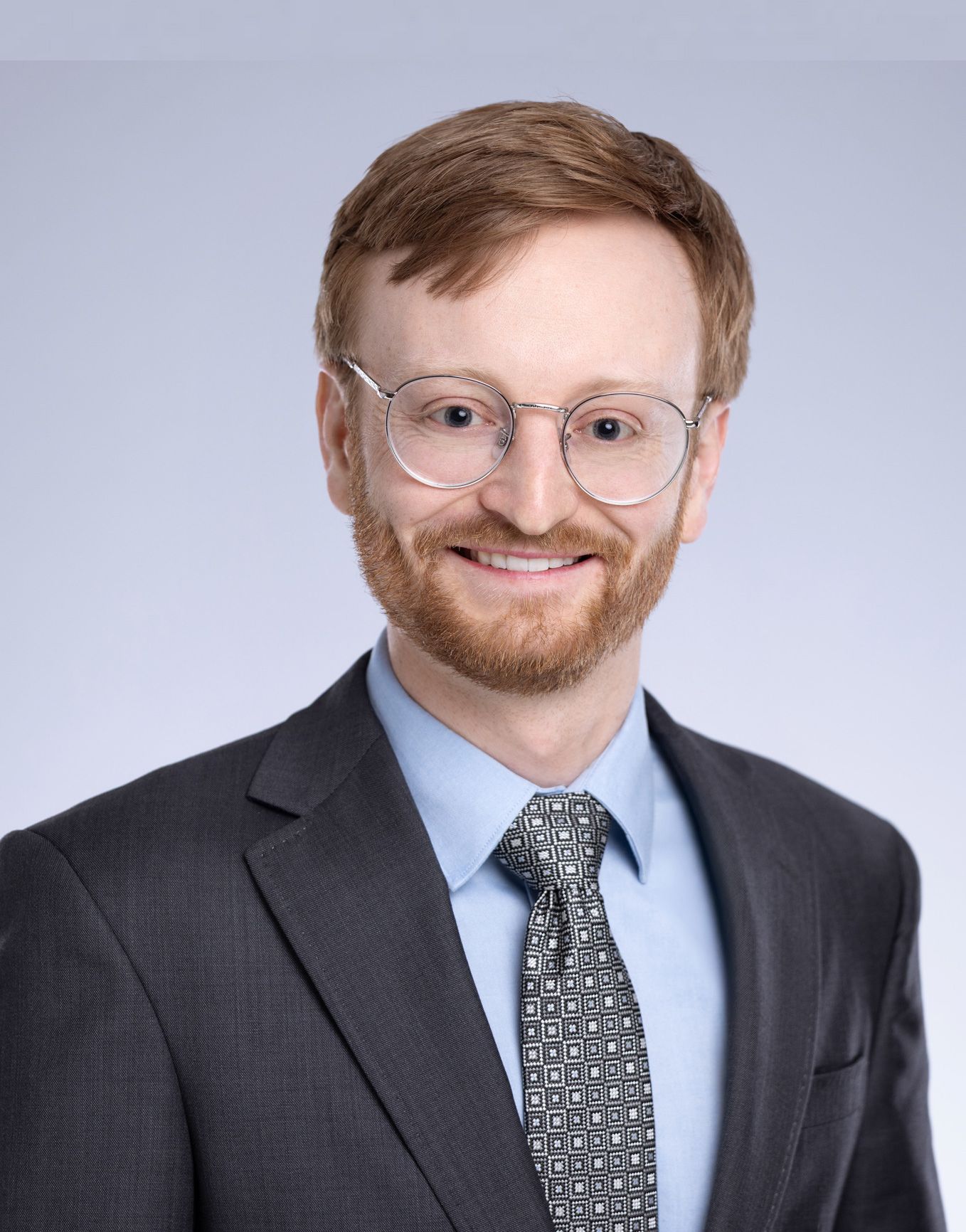
Lucas Fluegel is a visiting scholar in the Technology and International Affairs Program at the Carnegie Endowment for International Peace, where he explores the implications of advanced biotechnologies for international governance and global stability.
Vice President for Studies
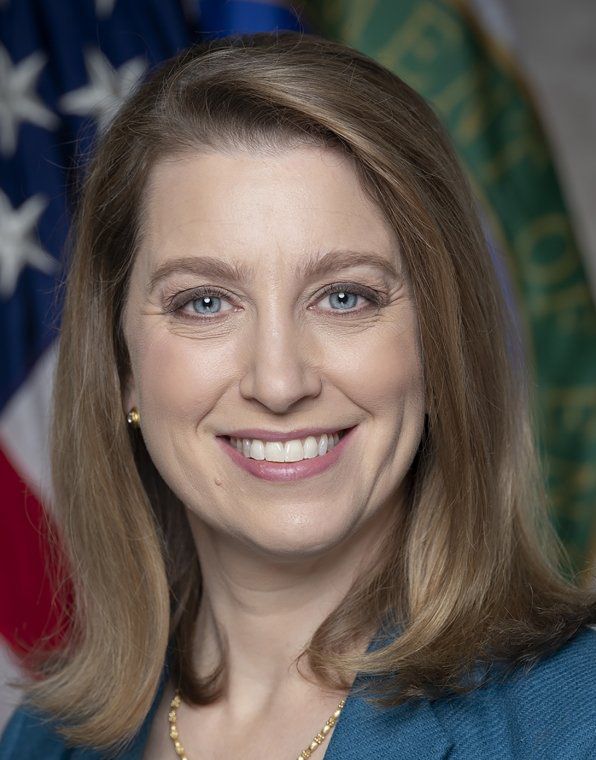
Corey Hinderstein is vice president for studies at the Carnegie Endowment for International Peace, overseeing the Technology and International Affairs Program, the Nuclear Policy Program, and the Sustainability, Climate, and Geopolitics Program.
Group Members
Roberto Andorno
University of Zurich
Ali Asy
Animal Health Research Institute, Agriculture Research Center
Matthew Chang
National University of Singapore
Hervé Chneiweiss
CNRS; Sorbonne University
Vaughn Cooper
University of Pittsburgh
Sam Daws
University of Oxford
Robbert Dijkgraaf
International Science Council
Ismahane Elouafi
CGIAR
Yensi Flores Bueso
University College Cork; University of Washington
George Gao
Institute of Microbiology, Chinese Academy of Sciences
Juliet Gerrard
University of Auckland
Rose Gottemoeller
Stanford University
David Heymann
London School of Hygiene & Tropical Medicine
Kenya Honda
Keio University School of Medicine
Filippa Lentzos
King's College London
Gabriel Leung
The University of Hong Kong
Li Fujian
China Foreign Affairs University
Robin Lovell-Badge
Francis Crick Institute
Piers Millett
International Biosecurity and Biosafety Initiative for Science (IBBIS)
Gerald W. Parker
Texas A&M University
Zhaohui Qian
Chinese Academy of Medical Sciences & Peking Union Medical College (CAMS & PUMC)
David A. Relman
Stanford University
Flavia Schlegel
Science Governance Partnership
Shen Dingli
Grandview Institution
Tong Si
Shenzhen Institutes of Advanced Technology (SIAT), Chinese Academy of Sciences
Weiwen Zhang
Tianjin University
Patrick Yizhi Cai
University of Manchester
Glenda Gray
University of the Witwatersrand
Andrea Hinwood
Environmental Scientist
Judith (Judy) Omumbo
Science for Africa Foundation
Charlie Petty
Intercept Fund