

Commentary
The Greenland crisis taught Europe to push back against Washington. In Iran, it must learn how to engage without falling in line.
Sophia Besch
{
  "authors": [
    "Sophia Besch",
    "Alper Coşkun",
    "Nate Reynolds",
    "Stephen Wertheim"
  ],
  "type": "questionAnswer",
  "blog": "Emissary",
  "centerAffiliationAll": "",
  "centers": [
    "Carnegie Endowment for International Peace"
  ],
  "collections": [
    "Türkiye and the World"
  ],
  "englishNewsletterAll": "",
  "nonEnglishNewsletterAll": "",
  "primaryCenter": "Carnegie Endowment for International Peace",
  "programAffiliation": "",
  "regions": [
    "United States",
    "Europe",
    "Türkiye"
  ],
  "topics": [
    "NATO",
    "Defense",
    "Security"
  ]
}
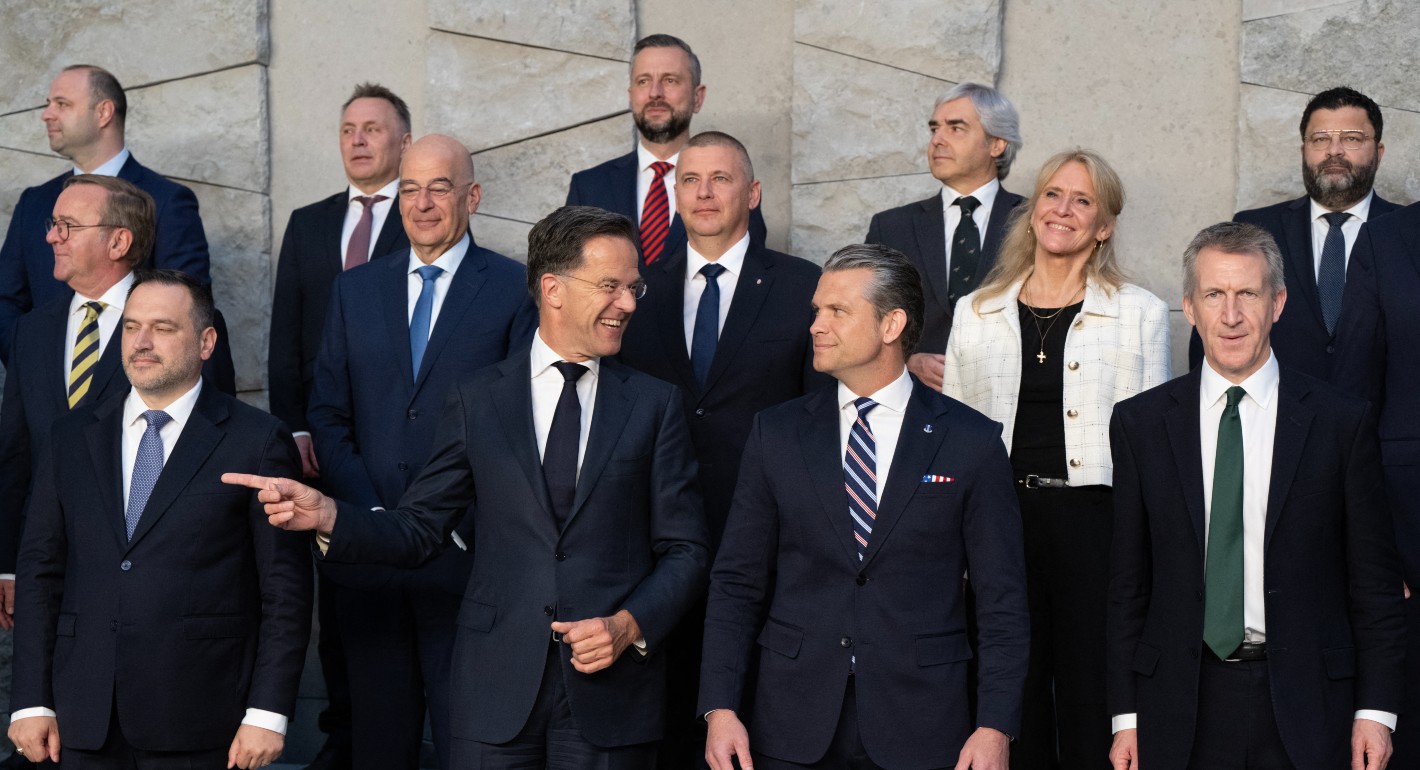
NATO defense ministers in Brussels on June 18, 2026. (Photo by JOHN THYS / AFP via Getty Images)
European allies are less focused on appeasing Trump and more focused on smoothing the transition to a Europe-led alliance.
At the 2025 summit, NATO eked out an agreement to keep the alliance afloat. Since then, we’ve seen multiple crises shake the alliance, especially over Greenland. How have expectations changed?
Stephen Wertheim: Last year, NATO allies still held out a trace amount of hope that they could appease U.S. President Donald Trump by making an eye-popping pledge to devote 5 percent of GDP to defense and defense-related expenditures by 2035. That illusion is gone.
This time, it should be clear not only that Trump will remain aggrieved at his North Atlantic allies for as long as he is president, but also that NATO is undergoing a structural adjustment rooted in diverging transatlantic perceptions of interests and threats. In Washington’s lexicon, “burden-shifting” has supplanted “burden-sharing.” The Pentagon has moved forward, however unevenly, to make Europe lead its own conventional defense. The trend is bigger than Trump and will outlast him.
Alper Coşkun: Turkey’s stake in NATO membership and in keeping the alliance afloat is high, given NATO’s enduring centrality to Ankara’s security, defense, and deterrence interests and the way it anchors Turkey in the transatlantic security debate. Turkey’s contributions to NATO and its long-standing desire to host a summit reflect this calculus.
Yet Ankara is also adapting to a changing U.S. posture and evolving security landscape, including a reordering in the Middle East. As Foreign Minister Hakan Fidan noted, no one, including Turkey, can operate on autopilot any longer with a single alliance, namely NATO, as its sole organizing principle. Similarly, Defense Minister Yaşar Güler recently argued that the era of absolute reliance on a single alliance is over. So for Turkey, this is increasingly an era of supplementing NATO with other security mechanisms.
Sophia Besch: What a difference a year makes. Expectations were low in 2025, but the hope in Europe back then was that a mix of flattery, pageantry, burden-sharing pledges, and procurement deals might keep transatlantic tensions to a minimum and get the alliance through a second Trump term.
At The Hague, the European allies, led by then-Trump-whisperer-in-chief Mark Rutte, rallied behind a massive spending pledge that bought them . . . one good press day. What followed was a bad year. Last year, Europeans still hoped to stop this administration from shrinking its role in Europe. This year, they hope to work with it to keep the damage of the transition to a minimum.
NATO is more than the American commitment to European defense and deterrence of Russia, but it isn’t yet worth much without it. Europeans want to change that.
How will U.S. interest in drawing down troops and assets in Europe factor into summit discussions?
Stephen Wertheim: The summit provides an opportunity for the United States to specify what it plans to pull out of Europe and consult with allies on how capability gaps can be filled. The question is whether the Trump administration is prepared to do that. After forgoing a global force posture review last year, the Pentagon just recently announced it will take up to six months to review U.S. force posture and bases in Europe. The allies need clarity from Washington on what will stay, what will go, and when. And for that to happen, Washington needs to make up its mind.
Sophia Besch: Europeans have known for a while that force posture changes would be coming. They are already responding by deploying troops to the Baltics, for instance, and investing in deep-precision-strike capabilities. What they really need is NATO’s force planning mechanism to reflect what U.S. capabilities will be available to the alliance in the future, so that they can coordinate to fill the gaps.
The problem is the capriciousness. Pentagon officials have been fairly clear in their push for burden-shifting and a so-called NATO 3.0. But when U.S. Defense Secretary Pete Hegseth recently announced a Europe-specific force posture review akin to a report card, he implied that drawdowns would be driven by a system of reward and punishment for “good” and “bad” allies, rather than by shifts in the U.S. threat assessment (or even just cost considerations).
What makes a good ally, however, appears determined by politics and not defense spending alone (or Germany would not be on the naughty list). The civilizational bent of the National Security Strategy, the Western Hemisphere focus of the National Defense Strategy, Washington’s recent reliance on European bases and logistics for the Iran war, and the presidential flip-flop over troops in Poland—none of it helps Europeans parse out a predictable direction for U.S. strategic thinking on Europe. They may hope the summit brings clarity. They will probably be disappointed.
Alper Coşkun: The possibility of a more EU-centered security architecture that leaves Turkey on the margins is a serious concern for Ankara. Persistent objections from several EU member states to institutional cooperation with Turkey on EU-led security and defense initiatives, such as the Security Action for Europe (SAFE) program, corroborate these concerns in Turkish eyes.
Ironically, such snubs contradict a widening recognition among European actors of the need to tap into Turkey’s military capabilities and burgeoning defense industry. Turkey almost certainly sees the Ankara summit as an opportunity to leverage its credentials as a pivotal defense and security actor and to retain a leading role in transatlantic security.
How might the ongoing conflicts in Ukraine, Gaza, and Iran factor into the summit?
Nate Reynolds: The NATO summit comes at a pivotal moment in Russia’s war against Ukraine. Moscow’s offensive has stalled, and Ukraine is using drones to disrupt Russian logistics, threaten Crimea, and strike energy and industrial infrastructure hundreds of miles from the front. But Russian President Vladimir Putin is not relenting, and no one should expect the war to end soon. Strikes on Kyiv and other cities are intensifying, exposing Ukraine’s critical shortfall in ballistic missile defense.
European leaders will again try to persuade Trump that squeezing Moscow is the way to end the war. Trump seems impressed with Ukraine’s battlefield success but remains skeptical of increasing pressure on the Kremlin.
Alper Coşkun: Turkey is at the epicenter of these conflicts, which have brought widespread attention to Turkey’s geostrategic relevance and have rekindled the Turkish political leadership’s appreciation for NATO membership. The same holds true for the Turkish public, which witnessed NATO-integrated air and missile defense assets intercept Iranian missiles.
Turkey will cite these conflicts to raise awareness of the complex and challenging security environment it faces, to highlight its contributions to Euro-Atlantic security, and to ensure NATO allies recognize the distinct challenges affecting Turkey from adjacent regions to the east and south of alliance territory. Ankara will also have its growing rivalry with Israel in mind and will hope to send a strong message that it remains firmly embedded in the collective defense organization.
What are alliance members hoping to take away from this summit? What will Russia and Ukraine each be looking for?
Nate Reynolds: Ukraine wants to build on the positive momentum from the G7, keep allied attention on pressuring Russia, and shore up its air defenses. President Volodymyr Zelensky’s meeting with Trump on the sidelines of the G7 was encouraging, especially given their rocky relationship. But Ukraine needs air defense interceptors, especially heading into winter. Allied stocks are stretched thin after the war in Iran, but Kyiv will push hard for concrete commitments.
Russia wants a weakened NATO, and it probably still hopes Trump will deliver it. The Kremlin will magnify any evident tensions between Europe and the United States on troop levels and collective security. Stoking transatlantic divisions is a perpetual Russian goal, but the war in Ukraine makes it more urgent. Moscow believes Europe has been a driving force behind the Trump administration’s continued support for Ukraine—and it wants to break that dynamic.
Sophia Besch: Europeans expect very little from the Trump administration these days. They have given up on restoring the alliance-based trust of decades past.
The one thing they still dare hope for is greater predictability. They have accepted that the American commitment to Europe is changing; what they want is a more orderly version of the transition. The fear behind this is well-founded: A botched handover from a U.S.-led to a Europe-led NATO opens up a deterrence and defense gap. Yet they are likely to be let down.
Predictability takes both a clear strategic direction and the bureaucratic machinery to execute it coherently, and neither is likely from an internally divided and highly personalized administration organized around the mercurial nature of one man. This means that Europeans should proactively offer a transition plan to Washington and hope that it sticks. But U.S. defense officials have spent recent months attempting to recast their leader’s volatility as a virtue, arguing that it keeps Europeans on their toes and anxious enough not to slip back into old habits, so who knows. The best Europe can hope for at the summit is that Trump trusts that his officials have sufficiently scared Europeans, gives in to the feel-good pageantry of the NATO photo op, keeps up his recent warmth toward Ukraine, and does not use Ankara to dwell further on the slight he feels over Iran.
Stephen Wertheim: What the Pentagon wants is progress toward NATO 3.0, meaning an alliance focused on deterring attacks on European territory, with European countries taking the lead in conventional defense while the United States continues to extend its nuclear umbrella.
What Trump wants is whatever Trump decides he wants at the time of the summit. As the president says, “We’ll see what happens.”
Alper Coşkun: As the host nation, Turkey’s overriding goal will be to make the summit a success, which will be defined, first and foremost, by ensuring NATO-skeptic Trump’s presence. To Ankara’s credit and thanks to the intriguing chemistry between Trump and Turkish President Recep Tayyip Erdoğan, this seems to have been secured.
The next step will be to ensure a smooth summit, which could prove more difficult given Trump’s unpredictable nature and inclination to chastise NATO and allies.
Finally, at this critical juncture for NATO and Euro-Atlantic security, Turkey will want to bolster its standing as a pivotal actor and strengthen its hand in shaping the security architecture of Europe and its immediate neighborhood.
Turkey has had a complicated relationship with NATO, and much of the discourse around the summit will likely focus on Ankara’s positioning, both in the alliance and outside it. Is that warranted, and why?
Alper Coşkun: A sense of mutual frustration driven by persistent policy misalignments has built up between Turkey and many of its NATO allies over the years. These feelings have been accompanied by concerns over Turkey’s drift from NATO and deep resentment in Ankara toward several NATO allies.
However, this decidedly negative atmosphere has lately reversed, thanks to some policy recalibrations by Ankara and renewed mutual appreciation between Turkey and many of its allies, including the United States. Under these circumstances, the Ankara summit will be less about Turkey and more about a disengaging United States and its role in NATO and European security.
What will you be watching for at the summit?
Stephen Wertheim: The unusually brief declaration that came out of last year’s summit contained a single mention of Russia. Will the allies display greater alignment this year on the threat Russia poses, given that Trump has so far failed to get Putin to stop his war in Ukraine, much less to reshape U.S.-Russia relations?
In addition, although many will focus on how Trump treats European leaders, I am curious to see how European leaders treat Trump. He began his term unpopular in Europe and has now alienated even the right-wing populists who have an ideological affinity with MAGA. His handshake (or not) with Italian Prime Minister Giorgia Meloni will be one to watch, given the recent public spat between the two.
Sophia Besch: Arms deals. This is Europe’s most reliable pro-NATO pitch, even to Americans who are skeptical of alliances or soft on Russia: NATO ties mean contracts for U.S. defense firms, which mean jobs in U.S. factories. The American defense industry is overstretched, and Europeans have steadily lost faith that money can buy them love American arms can buy them a security guarantee. But U.S. firms want their share of the gold rush as Europe rearms, and NATO wants to highlight transatlantic defense industry ties to defuse tensions. U.S. sales are at record highs.
In the background, the dynamics are shifting, however. The more Europeans spend, the more they will demand design authority and intellectual property rights. The NATO summit line is that the pie is big enough for everyone. But in the future, European firms will want the recipe, too.
Alper Coşkun: Turkey’s improved relations with Washington and its strong desire to retain a decisive role in the European pillar of transatlantic security could potentially represent a strategic dilemma for Ankara. European actors, increasingly wary of America’s posture and intentions, will look at deepening ties between Turkey and the United States with suspicion. The United States, for its part, will prefer a less compliant Turkish posture vis-à-vis Europe, especially under the fraught conditions in which Washington’s ties with Europe find themselves. I will be closely watching how Turkey navigates this delicate balancing act, both at the Ankara summit and beyond.
What would you like to see come out of the summit?
Stephen Wertheim: I beseech NATO to stop holding a summit every year. Summits create pressure for new deliverables that might not make sense. They give allies a public platform for arguing with one another. And the food is variable.
The practice of annual summitry started only after the Cold War. NATO 3.0 demands more action and fewer meetings. In particular, France and Italy should lead on cuisine while America stays laser-focused on bringing the Diet Coke.
Sophia Besch: This summit is an opportunity for Rutte to show European allies that he can lead not only the effort of keeping the United States in, but also the push to create a more European NATO. The mood music from last year has changed: European allies are less worried about writing a self-fulfilling prophecy (where taking responsibility for their own defense makes it more likely for the United States to leave) and more worried about the considerable challenge of changing NATO’s DNA from a U.S.-led to a Europe-led defense alliance. Rutte should lead the charge.
The latest from Carnegie scholars on the world’s most pressing challenges, delivered to your inbox.

Former Senior Fellow, Europe Program
Sophia Besch was a senior fellow in the Europe Program at the Carnegie Endowment for International Peace. Her research focuses on European foreign and defense policy.

Senior Fellow, Europe Program
Alper Coşkun is a senior fellow in the Europe Program and leads the Türkiye and the World Project at the Carnegie Endowment for International Peace in Washington, DC.
Senior Fellow, Russia and Eurasia Program
Nate Reynolds is a senior fellow in the Russia and Eurasia Program at the Carnegie Endowment for International Peace.

Senior Fellow, American Statecraft Program
Stephen Wertheim is a senior fellow in the American Statecraft Program at the Carnegie Endowment for International Peace.
The Greenland crisis taught Europe to push back against Washington. In Iran, it must learn how to engage without falling in line.
Sophia Besch
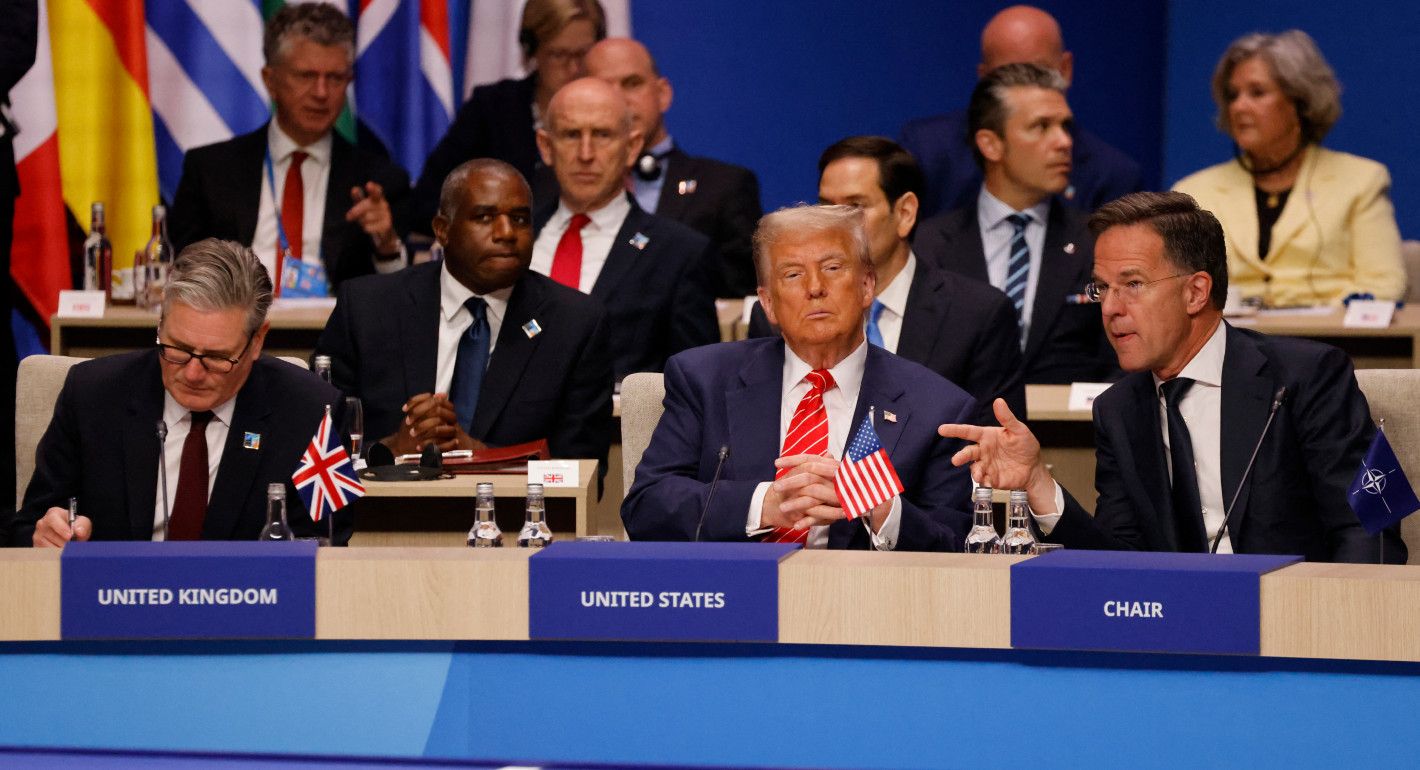
Europe’s rush to appease Trump reveals NATO’s new era of low expectations.
Sophia Besch
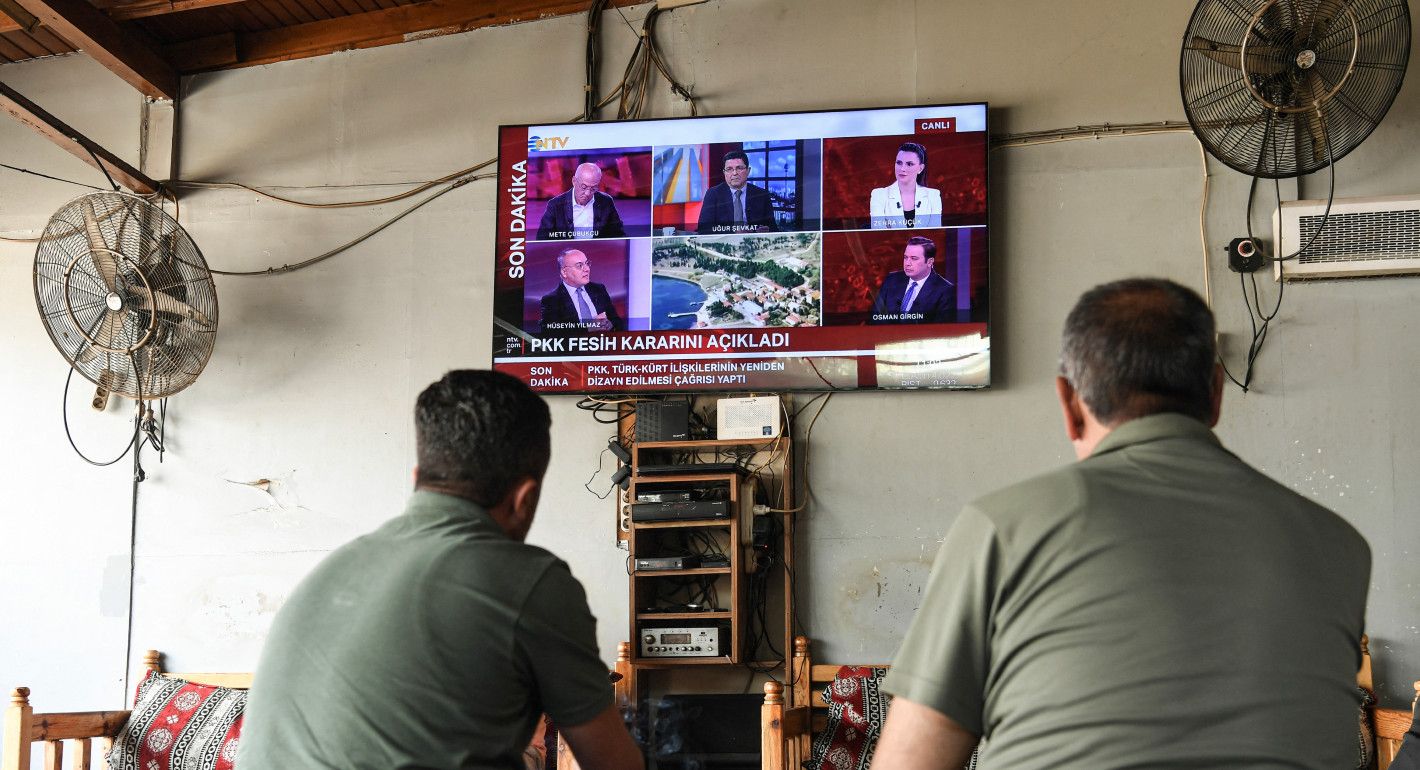
For the Turkish government, the announcement could transform the country’s regional and foreign policy. Others fear it may be less a peace breakthrough than a political maneuver aimed at regime preservation.
Alper Coşkun, Garo Paylan
The continent’s response to security and economic challenges could be transformative both at home and for post-American international relations.

Rosa Balfour
With its second Zeitenwende, Berlin could become a global counterweight to Washington.
Sophia Besch