

Commentary
Russia’s banking sector is sinking ever deeper into a crisis that the authorities are simply managing rather than trying to fix.
Alexander Kolyandr, Alexandra Prokopenko
Source: Getty
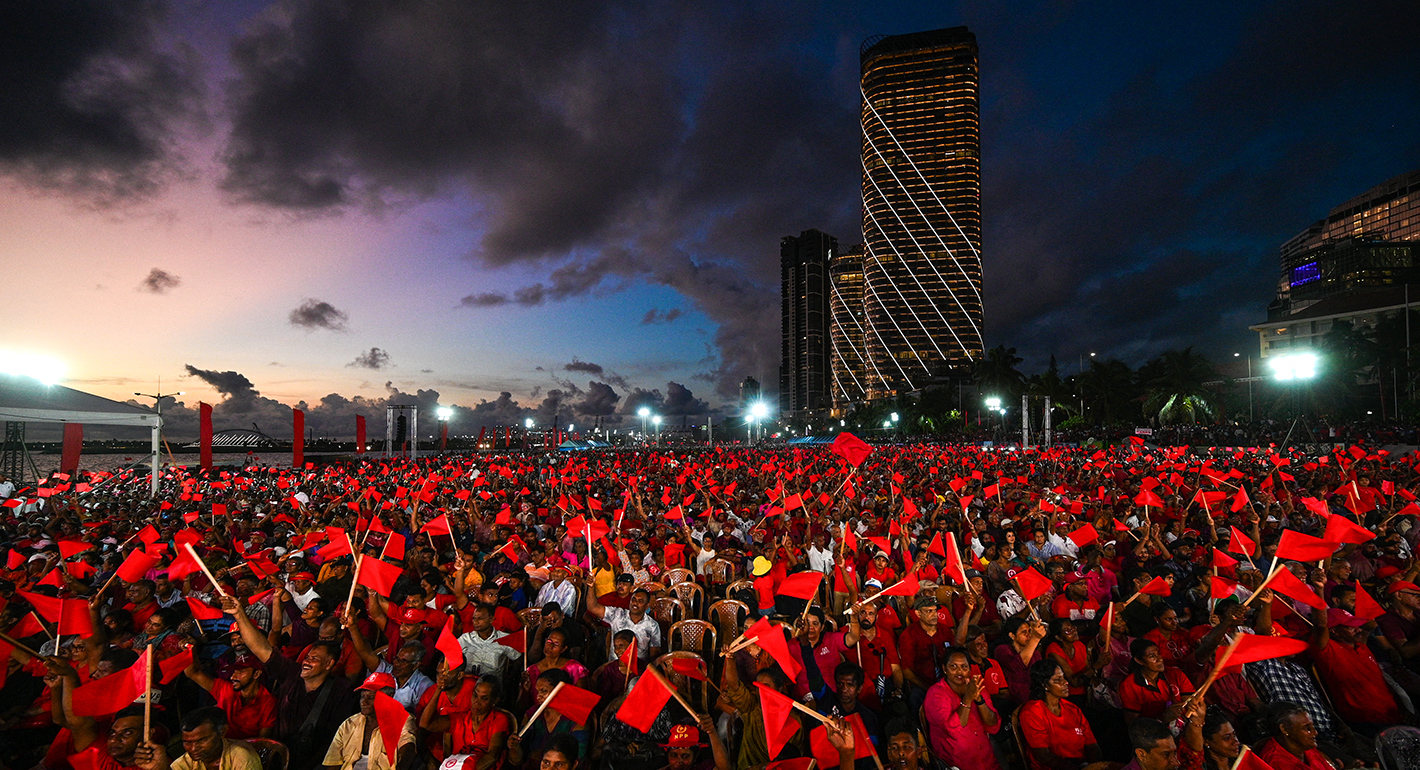
Does the NPP have the will or vision to create a new social contract for Sri Lanka?
November marks two years since President Anura Kumara Dissanayake and his National People’s Power (NPP) party won Sri Lanka’s parliamentary elections in a landslide, just two months after Dissanayake’s own successful presidential election campaign. The economic and governance crisis that sparked the 2022 Aragalaya (the Struggle)—the citizen mobilization in which thousands took to the streets demanding reform—built substantial electoral momentum for political change in 2024. At the time, the NPP’s campaign promises resonated with demands for systemic change, but two years later, many of its pledged reforms have yet to materialize.
The 2024 elections united many Sri Lankans across class, ethnic, and religious lines in their fervent desire for a new political culture marked by greater accountability and transparency. The NPP, a coalition of left-leaning political parties, made sweeping campaign promises across a range of issues. It pledged to abolish the executive presidency, renegotiate Sri Lanka’s International Monetary Fund (IMF) program to secure fairer terms for the people, establish a director of public prosecutions (DPP) to address delays in the justice system, ensure accountability in corruption cases, especially for the 2019 Easter Sunday attacks, and enact legal reforms such as repealing the Prevention of Terrorism Act (PTA), among other reforms.
These pledges captured the public’s imagination; Dissanayake won the presidency in September, and the NPP won 159 of 225 parliamentary seats in November, securing a supermajority under Sri Lanka’s proportional representation system. In a notable first, the NPP enjoyed electoral success in most districts in Sri Lanka, including those in the conflict-affected northern and eastern provinces, thus making historic inroads among ethnic minority voters. The massive mandate reflected both widespread disillusionment with mainstream parties, including traditional Tamil parties, and a rejection of the governance style associated with Sri Lanka’s traditional political elites.
After two years in power, the NPP government’s record is mixed. A spate of high-profile arrests and prosecutions for graft has fueled hope that the government may finally be able to tackle entrenched impunity by holding powerful politicians and other high-profile actors accountable for past wrongdoing. Similarly, the government has also provided some relief to impoverished Sri Lankans, yet durable solutions and emergency assistance for those affected by natural disasters and climate emergencies have lagged. Notably, the ambitious constitutional and structural reforms promised in 2024 have yet to commence. Though a new constitution was a pillar of the NPP campaign, the government instead opted to introduce narrower reforms through the 22nd Amendment to the Constitution—a move that has raised the retirement age of the Supreme Court and Court of Appeal justices.
This amendment has raised alarm bells among critics who argue that it exhibits a disdain for transparency and public consultation in law-making while revealing a government that cherry-picks reforms to suit its agenda instead of implementing the far-reaching reforms it pledged to undertake. The move also raises concerns that the government is abusing its electoral mandate, drawing parallels to the Rajapaksa era when popular support, coupled with a mandate to defeat terrorism, was used to justify authoritarian rule, economic mismanagement, unbridled corruption, and heightened ethnonationalism. Today, there is no clarity on the core principles that underpin the government’s policymaking, raising questions about its commitment to institutional reform, democratic accountability, and reducing the concentration of political power. Two years on, reflecting on the status of these reforms and the government’s overall project offers the opportunity to examine the state of play and prospects for meaningful political transformation.
Sri Lanka’s rupture in 2024 emerged amid a turbulent postwar period and an unprecedented economic crisis. The near three-decade ethnic war ended with the military defeat of the Liberation Tigers of Tamil Eelam in May 2009, conferring a hero status upon two brothers: then president Mahinda Rajapaksa and former defense secretary Gotabaya Rajapaksa—who was subsequently elected president in 2019—for their assault on terrorism. Despite the public posturing of economic development and prosperity, the Rajapaksa years were characterized by heightened authoritarian practices that weakened independent institutions, culminating in the impeachment of the then chief justice.
During the same period, ethnonationalism surged, promoting extreme Buddhist ideology and Sinhala majoritarianism, marginalizing minorities, and creating new fault lines. The concentration of authority within one political family, the expansion of military influence into civilian governance, the weakening of independent institutions, the use of nationalist narratives for political mobilization, and the growth of patronage networks created a model of governance that appeared strong on the surface but was riven by deep structural weaknesses. Both Rajapaksa presidencies ended in crisis: Allegations of corruption and political patronage overshadowed the end of the Mahinda Rajapaksa presidency (2005–2015) and the Gotabaya Rajapaksa presidency (2019–2022) was cut short after his resignation amid accusations of economic mismanagement. Both Rajapaksas contributed to the consolidation of power in the executive presidency, along with new levels of violence and impunity, leaving a legacy of deep fissures in Sri Lankan governance and democracy.
Despite democratic decay under the Rajapaksas, postwar Sri Lanka has had opportunities for democratic reforms. The 2015 election of a Yahapalanaya “good governance” government opened a window to reverse the democratic backsliding of the Rajapaksa era. It ushered in the 19th Amendment to the Constitution, which included checks and balances on the executive presidency and the inclusion of the right to information into the Fundamental Rights Chapter in the Constitution, paving the way for greater accountability and transparency. Moreover, the government co-sponsored UN Human Rights Council Resolution 30/1, which introduced a framework for transitional justice in Sri Lanka, acknowledging the need to address past abuses.
Despite the establishment of two mechanisms, the Office on Missing Persons and the Office for Reparations, the many cases of enforced disappearances in Sri Lanka and other violations that occurred during and immediately after the war have not yet been addressed. The recent excavation of 582 skeletal remains in Chemmani, a mass grave in the north of Sri Lanka, and the identification of multiple mass grave sites throughout the country are reminders of Sri Lanka’s brutal past and the need for a process of accountability. Seventeen years since the war, genuine reconciliation and accountability in Sri Lanka are still absent.
The populist rhetoric and actions of both Rajapaksa governments entrenched corruption, nepotism, and state capture in the political system. The second Rajapaksa administration made several economic missteps that triggered economic collapse, and the subsequent socioeconomic hardships faced by many Sri Lankans triggered the Aragalaya protest. Once Gotabaya Rajapaksa resigned, Parliament elected Ranil Wickremesinghe to complete Gotabaya Rajapaksa’s presidential term and steer the country through its worst economic crisis since independence. In 2023, Sri Lanka entered its seventeenth IMF program which enacted difficult fiscal and governance reforms alongside austerity measures. The unpopularity of the Wickremesinghe government and policies, coupled with its inability to tackle corruption, created an opportunity for the NPP to inspire support with promises of promulgating a new constitution, combating corruption, and bolstering accountability and transparency. The NPP also pledged postwar human rights reforms, including legal changes to combat discrimination and inequality, the release of political prisoners, the return of land to rightful owners, and the establishment of a truth and reconciliation commission. These promises, buoyed by Dissanayake’s charisma, raised hopes that Sri Lanka could finally break from its violent and authoritarian past and begin the process of democratic transformation.
Two years after taking office, the government has been selective in implementing its ambitious reforms. There has been notable progress on the investigation and prosecution of corruption cases, resulting in the questioning or arrest of several Rajapaksa family members and increased scrutiny of others who held office during the Rajapaksa era. Notably, former president Gotabaya Rajapaksa was questioned over the controversial procurement of MiG-27 aircraft during the war years, and a current member of parliament, Namal Rajapaksa, son of former president Mahinda Rajapaksa, was arrested over an alleged 100 million Sri Lankan Rupee bribe linked to the Sri Lankan Airlines-Airbus deal. Former first lady Shiranthi Rajapaksa was also arrested over allegations of corruption. In addition, the recent prosecutions of high-profile cases—including the convictions of the perpetrators of the Easter Sunday attacks—are seen as evidence of movement toward tackling impunity. However, work remains to be done on wartime violations and ensuring procedural and due process safeguards in justice initiatives.
Having said that, the government’s selective progress on other promises is worrying. Despite the promise of a new constitution, there has been no effort to begin the exercise. Instead, the government enacted the 22nd Amendment, which raises the retirement age of Supreme Court judges from sixty-five to sixty-seven and that of Court of Appeal judges from sixty-three to sixty-five, while also expanding the Court of Appeal’s bench. It also requires that the chief justice retire either at the age of sixty-seven or after six years in the post, whichever comes first.
The government has framed this constitutional alteration as an efficiency measure to retain experienced judges and reduce case backlogs, but the amendment’s sudden emergence raised many questions. A record sixty-seven petitions were filed challenging it in the Supreme Court. Those opposing the amendment argued that the incumbent chief justice stands to be the first to benefit from the change and sought his recusal from the case. The petitioners also requested a full court of seventeen judges to hear the case. Both applications were denied. Instead, the chief justice and four other judges heard the matter. The Commonwealth Lawyers Association President, Steven Thiru, observed the Supreme Court hearings and subsequently published a report raising concerns about procedural fairness, including the denial of an oral right of reply, the composition of the bench, and the rejection of the recusal application. The procedural arguments and the precedent this amendment sets—that any future government could pursue a similar amendment to influence and shape the judiciary—directly oppose what the NPP stood for in 2024. Despite the opposition, the government used its supermajority to enact the amendment.
The NPP has faced a steep learning curve in its two years of governing. Natural disasters, the climate crisis, and global conflicts have raised complex challenges at home. For instance, Cyclone Ditwah ravaged parts of Sri Lanka in November 2025, leaving hundreds dead, thousands displaced, and billions of dollars in devastation across the country. Nearly a year after the cyclone, much of the reconstruction remains slow. Some affected communities remain displaced without access to basic services or tenure security. The recent impacts of El Niño have also caused suffering in the agriculture and livestock sectors.
Furthermore, the NPP government has continued former president Wickremesinghe’s macroeconomic policies, raising concerns about the impact of austerity measures on household debt and food insecurity. The NPP’s vow to address the high cost of living and to reduce prices of food, medicine, and other essentials also remains unfulfilled. Despite the promise of efficiency and transparency, Sri Lanka’s Central Bank lost millions of dollars in a cyber theft and questionable tender processes last year alone. Avoidable policy blunders have led to the postponement of major education reforms. The lack of long-term planning and communication over the past two years exposes a government that has yet to fully grasp the nuance, planning, and skills required to simultaneously tackle multiple issues and crises.
Apart from some populist reforms such as abolishing pensions for former members of parliament and returning official residences of former heads of state, the government has yet to reveal its plan for extensive structural and legal reforms. As long as difficult questions about abolishing the executive presidency, devolving greater power to the provinces, and managing socioeconomic challenges remain unaddressed, the political structures that contributed to the previous crises will remain unchanged. The promise to repeal the PTA has led to the introduction of the draft Protection of the State from Terrorism Act (PSTA), which has broad definitions, administrative detention with limited judicial oversight, and sweeping executive power to proscribe organizations and restrict freedom of speech, assembly, association, and movement, with the potential for abuse. Notably, several NPP government politicians who had once opposed attempts to introduce counterterrorism laws while in opposition now support the PSTA, raising suspicion about their motives.
The selective pursuit of campaign promises raises serious questions about whether Sri Lanka’s governing class has learned any lessons from prior reform attempts. During the Aragalaya, Sri Lankans took an active role in calling out a culture of corruption, patronage politics, nepotism, and the erosion of the rule of law. Then, citizens used peaceful means to harness their frustration with the political system to hold those in power accountable. Four years after the Aragalaya and two years into the NPP government, it is unclear if Sri Lanka stands solidly on the path toward transformation, or if the nation is again losing an opportunity for real change. The opposition remains fractured and lackluster, unable to provide a robust counter to the government. While President Dissanayake’s charisma keeps the electorate engaged, the absence of legitimate progressive reforms and a path forward that aligns with the promises of 2024 poses further challenges for Sri Lankans.
Sri Lanka’s postwar years still carry uncertainties. Limited movement toward critical change, coupled with worrying indicators in policy formulation and implementation, raises questions about whether the government has the will or vision to pursue difficult but necessary reforms. Leadership has opted for populist initiatives and action in the guise of anti-corruption rhetoric to placate the electorate with short-term gains. The NPP’s two years in government demonstrate that even with a strong mandate, systemic change will not take place as long as key actors avoid the tough reforms required.
However, the opportunity is not all lost. The NPP government has the popular support to initiate long-term reforms that introduce a new social contract to redefine state structures and the relationship between the citizen and political power. A new constitution and a new political culture predicated on independent institutions and democratic processes are imperative to redemocratizing a country that has weathered authoritarian rule and decades of violence. Further, anti-graft initiatives that transcend the arrest of individuals by dismantling the superstructure of corruption and patronage politics are vital. Addressing the austerity measures that deepen socioeconomic challenges such as food insecurity and poverty is equally important.
Finally, considering Sri Lanka’s legacy of past abuses, the government should initiate a genuine reckoning for wartime abuses, reconciliation initiatives that devolve powers to the provinces, and enact confidence-building measures such as releasing political prisoners and returning lands to rightful owners. These are key steps in a country where, despite the numerous crises, citizens have mobilized peacefully for regime change and continue to be active and vigilant in upholding democracy.
Fundamentally, the Dissanayake government must seize the opportunity to initiate progressive reforms that transform the political culture and restore hope for real change. The complex nature of reforms will require political leadership, patience, and vision that transcend party politics and narrow agendas. Inability or unwillingness to take bold and brave steps toward reform will demonstrate that the struggle for meaningful change in Sri Lanka remains elusive.

Bhavani Fonseka
Bhavani Fonseka is a researcher and lawyer based in Sri Lanka.
Carnegie does not take institutional positions on public policy issues; the views represented herein are those of the author(s) and do not necessarily reflect the views of Carnegie, its staff, or its trustees.

Russia’s banking sector is sinking ever deeper into a crisis that the authorities are simply managing rather than trying to fix.


Alexander Kolyandr, Alexandra Prokopenko
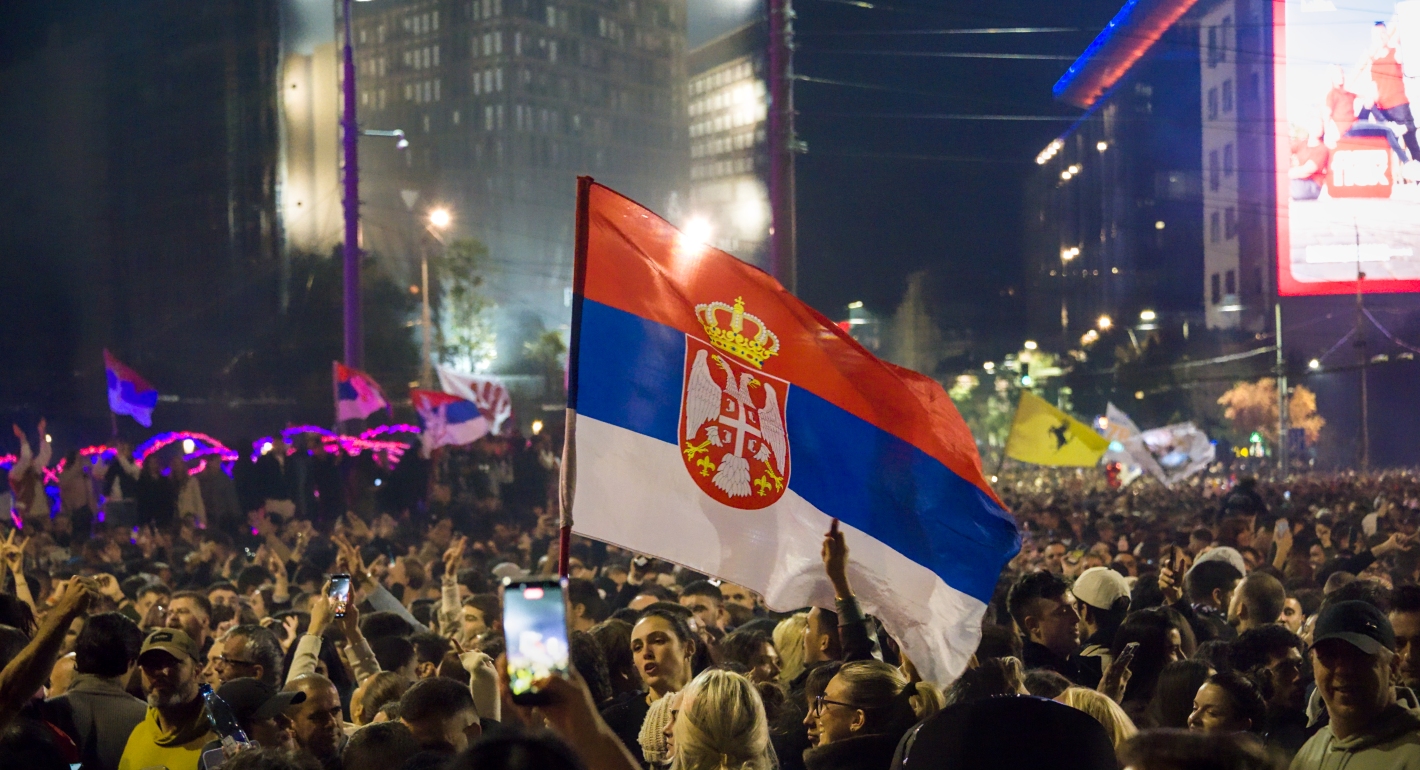
After two years of mass protests, Serbia’s student-led movement has ousted Aleksandar Vučić. Now the Student List must prove it can deliver on its promises.

Dimitar Bechev
Democrats now have the gavel and the purse, but the executive branch still pulls the levers on the U.S. role in the world.



James M. Acton, Dan Baer, Mark Baldassare, …
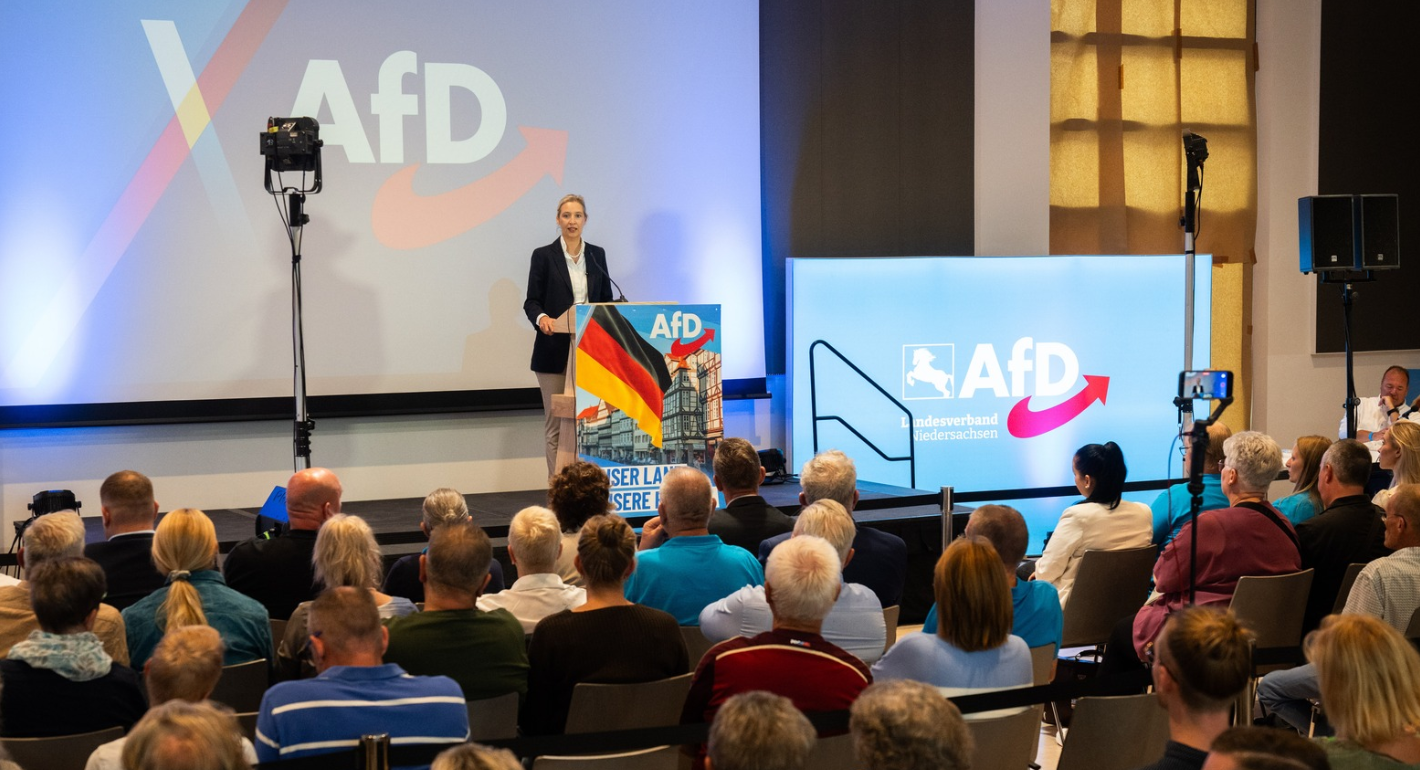
In Germany, competing perceptions of Russia are highlighting a tension between public opinion and government policy. In the country’s east, where division is widespread, populist parties are taking advantage.

Gwendolyn Sasse
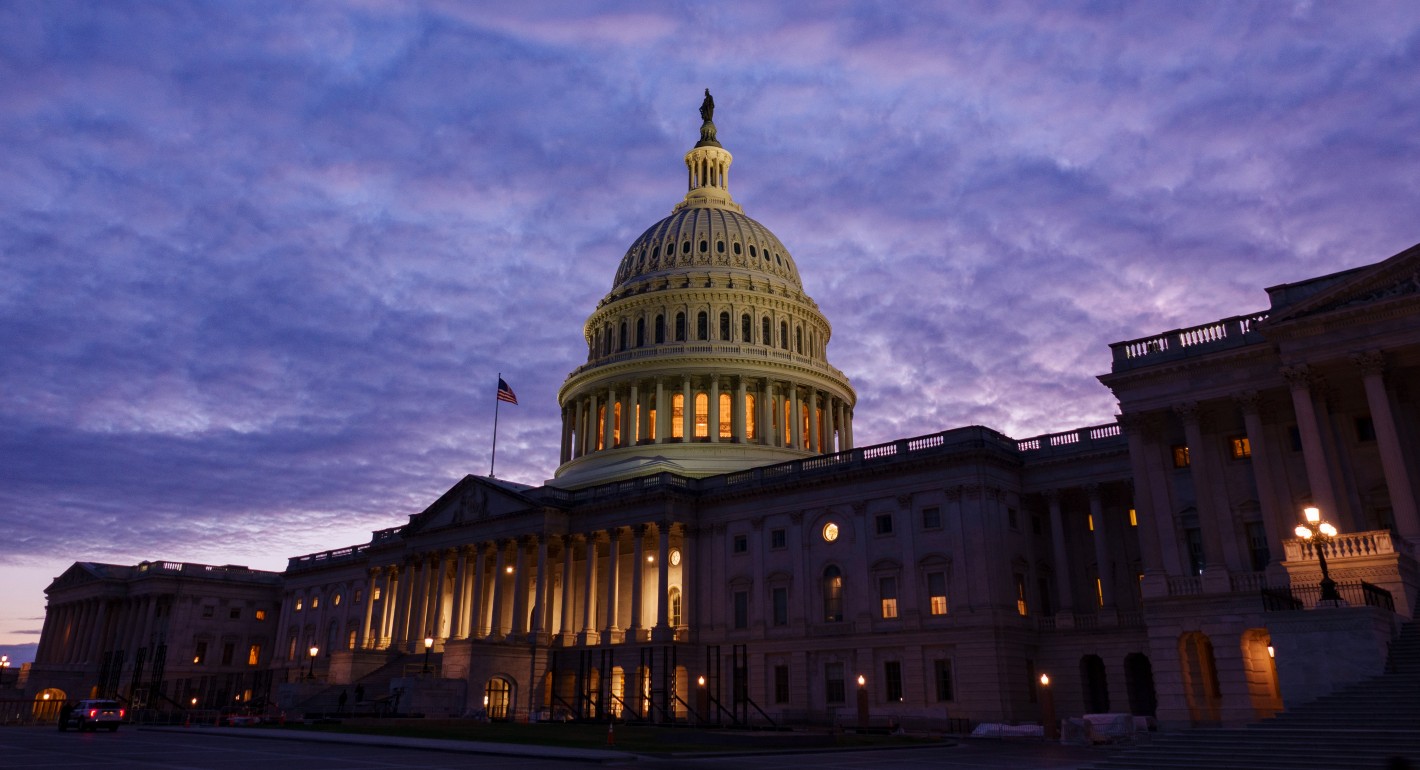
How Capitol Hill might reassert checks on the executive branch.

Jennifer Hendrixson White