

Commentary
While the current surge in grain trading activity in the Caspian Sea is undeniably impressive, it is constrained by financial, infrastructure, geographic, military, and environmental factors.
Nikita Smagin
{
  "authors": [
    "Alexandra  Arkhipova"
  ],
  "type": "commentary",
  "blog": "Carnegie Politika",
  "centerAffiliationAll": "",
  "centers": [
    "Carnegie Endowment for International Peace",
    "Carnegie Russia Eurasia Center"
  ],
  "englishNewsletterAll": "",
  "nonEnglishNewsletterAll": "",
  "primaryCenter": "Carnegie Russia Eurasia Center",
  "programAffiliation": "",
  "regions": [
    "Russia"
  ],
  "topics": [
    "Domestic Politics",
    "Military"
  ]
}
Source: Getty
Faith in the Russian state and the war it has launched is crumbling—not due to a political epiphany or sympathy for Ukraine, but because the state is failing to keep even its most basic promises.
There are two ways in which Russians talk about their country’s war against Ukraine. The official language is that spoken by the president, defense minister, television, schoolteachers, and patriotic concert hosts. This language includes terms like “heroes,” “duty,” “defending the Motherland,” “new territories,” “fighting Nazism,” “generational continuity,” and “the memory of the Great Patriotic War,” as Russians refer to World War II. It is structured to make Russia’s current war seem like the continuation of a great historical mission.
The other language is not meant for TV or parades, and is spoken on and around the front lines. It includes terms like “zeroing out,” “unsealing the zinc,” “mincemeat,” and “negative status.” This is the language of war as it is personally experienced. It emerges where there is a need to describe what is happening without the censorship and taboos imposed by the Russian government.
It was precisely this personal vocabulary of war that attracted my attention and that of my anthropologist colleagues. The result of our investigation, a monograph titled An Ethnographic Dictionary of War, was recently published by Echo Books.
It draws upon several thousand letters from Russian service members and their relatives addressed to the office of Tatyana Moskalkova, who served as Russia’s Human Rights Commissioner until April of this year. Like so many of the projects entrusted to government IT staff in Russia, the Human Rights Commissioner’s email archive proved to be poorly defended, and many thousands of documents ended up in the hands of journalists and later researchers.
The letters’ authors seek justice from the same state that sent them or their loved ones off to war. In this sense, the materials resemble Soviet-era letters to the Central Committee. Although Soviet public life was censored, letters to party and state organizations often revealed what newspapers could not print: people’s real fears, grievances, and notions of justice.
Letters to the ombudsman in modern Russia accomplish a similar function. This is not anti-war activism—rather, we are hearing the voices of people who are often still loyal, while demanding that the state keep its promises.
The sheer volume of letters speaks to the scale of the problem. There are more complaints about injustice in the war than in any other area of life. Russia’s war has become the main source of rights violations in the eyes of Russian citizens. These people mostly do not take issue with the war itself. Instead, they are upset by how the state has treated them after they consented to it.
The core message of the letters is simple: The motherland has abandoned its people. The letter writers do not necessarily consider themselves victims of the regime in a conventional oppositional sense. On the contrary, many of them accept the state’s logic. If the country is at war, then that must mean ethical questions have already been settled somewhere on high. Now, ordinary people must simply do their part.
That is exactly how a significant portion of the war’s participants see it: as a contract between themselves and the state. The letters contain almost no Kremlin newspeak about “Nazis.” They often do not mention Ukraine at all. Instead, we see the “opponent,” “enemy,” “other side,” “neighboring country,” or occasionally “brotherly nation” (used ironically). The central conflict exists not between the Russian soldier and Ukraine, but between the Russian soldier and their own homeland.
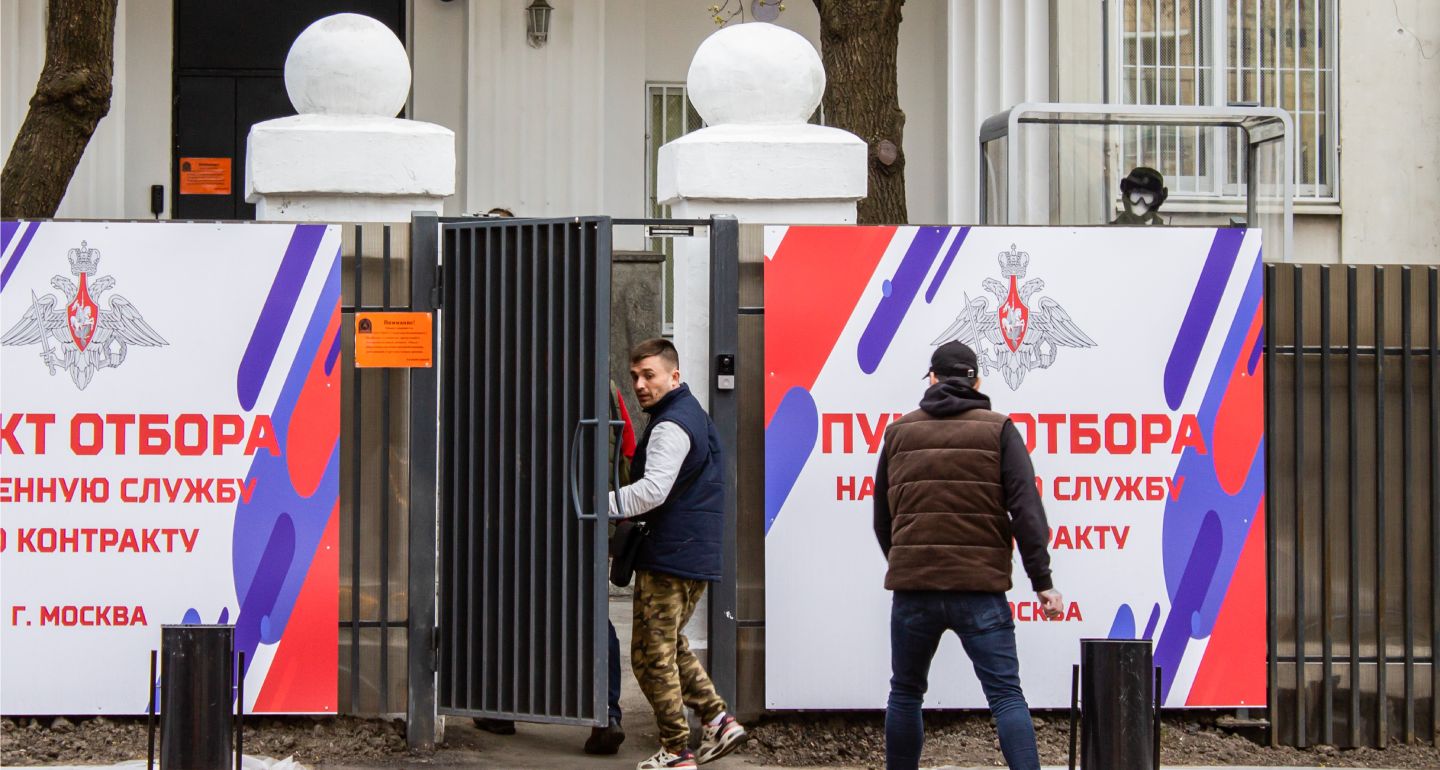
People often sign up to fight because they have debts, children to provide for, few prospects, and a desire to improve their financial situation. The state offers what appears to be an honorable way out of a squeeze: a paycheck for the good of the motherland. A military contract promises money, rank, leave, and benefits for the soldier’s family. They may also receive a document stating that they are being hired by a specific unit for a specific position: driver, cook, orderly, engineer, or drone operator.
Then they discover that almost none of this is binding. Having a profession does not guarantee service in that specialty. A driver might participate in an assault. A medic might become an infantryman. Someone promised a rear-echelon position might become expendable manpower on the front line. Leave becomes a matter of bargaining with and bribing your commander. The wounded might go without treatment. Returning from captivity means being sent back to fight under even worse conditions. The war never lets you go.
The first and foremost complaint contained in the letters is of this inability to escape the war. Even the most loyal writers did not agree to fight indefinitely. This marks a fundamental divide between the official cult of the Great Patriotic War and how soldiers and their families perceive the war in Ukraine.
In one letter, the wife of a mobilized soldier directly objects to comparisons with the Great Patriotic War. That war, she says, was for the nation’s survival, to defend its own territory. This current war is for the state’s interests in “new territories.” Fine, she writes, our husbands and sons went to defend those interests. But they were promised a specific timeframe. Why has the state not kept its word?
Official propaganda maintains that the war against Ukraine is just as sacred as the Great Patriotic War. However, for most people actually involved in the war, it is contractual: not in the sense that it lacks patriotism, but that, rhetoric aside, all parties must still honor their commitments. This is one of our study’s most important findings.
The second most prominent theme in the letters concerns the transformation of humans into meat for the grinder. The term “mincemeat” (myaso) is used widely by both service members and their relatives. They are commenting not on the enemy’s brutality, but on their own commanders’ cynicism and lawlessness. The commander, unit, military prosecutor’s office, Federal Security Service (FSB), and Defense Ministry present no less of a danger to soldiers than the enemy.
The term “zeroing out” (obnulenie) reflects this relationship. In military slang, “zeroing out” means killing one of your own: by shooting them, sending them on a mission that will clearly be fatal, or driving them to their death. To “zero oneself out” means to commit suicide after your own side pushes you to that point.
The letters chillingly document the ways people are turned into meat and stripped of their humanity: threats of murder or summary execution; cold, damp pits with no food or water; grenades with their pins pulled out, taped to people’s bodies. The “why” of these incidents is just as terrifying as the “how.”
The Russian army is not just a military machine, but an economic one, too. A person signs a contract, and a sum of money—1 or 2 million rubles, substantial by Russian regional standards—is deposited into their bank account. Afterward, they find themselves in a system where everyone is after that money.
The letters paint a vivid picture of the Russian army as a corrupt scheme in which subordinates constantly pay their superiors for the chance to survive—to postpone an assault, secure a safer position, go on leave, receive medical treatment, or avoid being sent to a place from which hardly anyone returns.
Some letters detail how soldiers’ bank cards are taken from them, and how their PINs are extracted—including through torture and threats—to gain access to their accounts. Money is withdrawn even after a person has gone missing or died. Relatives notice that funds are disappearing from soldiers’ accounts but cannot figure out who is responsible. Then there is the practice that letter writers call “robbing the dead”: phones are taken from the bodies of the deceased and unlocked to gain access to banking apps. Even death is powerless against the extortion economy.
In war, a person is given a military call sign, which serves as both a nickname and identifier: Killer, Bandit, Cross-Eyed, Crooked, Google, Engine. It is the language of the street, prison, and video games all at once. First and last names, patronymics, and civilian status disappear. All that remains is a call sign. Relatives complain not about Ivan Ivanovich Ivanov, but a commander with a call sign. It is nearly impossible to find Ivan Ivanov, hold him accountable, or establish a formal chain of command.
The Defense Ministry’s Alushta database contains details on combatants, such as their call sign, status, and origin. A living person has “active status,” while a deceased person has “negative status.” Relatives are effectively notified of an object’s status in the system, not a real person’s fate—not “your husband has died,” but “negative status”; not a name, but a call sign. War starts to resemble a game interface, even though the avatars are real people.
One distinct category consists of former convicts, who are referred to as veshniki after the letter “V” used to identify them in the database. Many complain of discrimination: They were promised amnesty and equal rights with other service members, but receive neither.
If an ordinary service member goes missing and their body is not recovered, they can be granted missing-in-action (MIA) status, which ensures that their family continues to receive benefits for a certain period of time. If a veshnik goes missing, they tend to be classified as “absent without leave (AWOL),” which effectively means “deserter.” In that case, benefits are cut off. Even within an army that treats people as expendable, hierarchies of “expendability” persist.
The letters also expose the inner workings of a conveyor belt sending people to war: an immense system of quotas and private recruiters resembling a form of forced labor. Government agencies, regions, and organizations are given quotas to turn in a certain number of men. Then begins the search for people who can be persuaded, deceived, bribed, or coerced.
Factors such as debt, alcohol abuse, poverty, low socioeconomic status, and psychological vulnerability come into play. Some letters to the ombudsman include stories about people with severe intellectual disabilities who did not fully understand what they were signing, and recruiters who have exploited these vulnerable people for profit.
These letters explain why the war in Ukraine is so closely linked to the social periphery. They reveal a grim picture of lower-income Russia: its underdeveloped regions, large families, deserted villages, prison, debt, alcoholism, domestic violence, shortage of men, low social status afforded to women without husbands, and the threat posed to women by husbands who drink and beat them.
Letters from women—wives, mothers, and daughters—are particularly significant. In 2025, Moskalkova regularly received letters from female relatives of mobilized soldiers. They were petitioning for the return of men who had been mobilized back in 2022 but had still not been permitted to leave the front lines. In one letter, a fifteen-year-old girl asks for help because her mobilized father is being threatened with being “zeroed out” if he refuses to sign a contract.
There are also letters about men well past fifty: They were mobilized before reaching the age limit for military service, but now that they have exceeded it, they still are not allowed home.
This is not an anti-war protest in the typical sense. These women are not necessarily demanding an end to the war. They are demanding the return of a specific husband, son, or father; that promises be kept; that the unlawful deprivation of their loved ones’ freedom be acknowledged; that their loved ones be granted leave; that a body be returned; that the deceased not be listed as deserters.
One of the most harrowing categories of letters concerns the bodies of the fallen. The Russian government seems strikingly indifferent to its own soldiers’ remains. Drone warfare understandably makes the recovery of bodies dangerous, but beyond technical difficulties, the letters reveal a profound indifference. A body might never be retrieved. A person might be declared MIA or AWOL. A zinc-lined coffin might be delivered, but relatives might not be sure that their loved one is inside—which often turns out to be the case.
These fears gave rise to the grim term rastsinkovka—referring to the unsealing of a zinc coffin. Back in 2022, the word was almost unheard of in military chat rooms; in 2023, it appeared only rarely; now it has become widespread.
Relatives are demanding that zinc coffins be opened and that DNA tests be conducted because they know that bodies are being mixed up. There are cases where a family buries a person, only to later see his name on a list of POWs or have him return alive. However, he has already been removed from the records, and restoring his identity proves extremely difficult.
War causes bureaucratic as well as physical death. A person might be physically alive but dead on paper. They might be dead but listed as MIA. They might have been killed in action but marked as AWOL, which deprives their family of benefits. They might return from captivity but end up in “quarantine”: a facility near Moscow where former POWs are interrogated by the FSB and denied contact with their relatives, often before being sent back to the front.
The case of former POWs is particularly telling. According to universal human logic, returning from captivity should mean salvation: a hospital, rehabilitation, leave, and reunion with one’s family. For the Russian state, it is cause for suspicion. A former prisoner is not a victim, but a potential traitor.
Some letters mention an “FSB overseer”: a dangerous figure who keeps people in quarantine and suspects them of having ties to Ukraine. Even the most loyal letter writers are starting to hate the FSB—not as some abstract repressive body, but as a tangible force preventing people from returning home.
The complaints from military personnel and their families that Moskalkova has received paint a bleak picture. The Russian state is attempting to wage a protracted war on the assumption that most of the population is loyal, patient, and willing to make sacrifices. However, the letters reveal that within this majority, people are coming to realize that the state deceives them, and that they should avoid entering into a contract with such a motherland.
It makes promises but does not keep them. It calls people up to serve but does nothing to protect them. It pays but also allows money to be snatched away. It labels people heroes but turns them into cannon fodder. It demands loyalty but does not acknowledge its own obligations.
As one letter writer puts it: It is better if the motherland and I are divorced. This phrase contains more political anthropology than many official polls. In Russian culture, the motherland is thought of as a mother, a wife, a family. Now she is becoming an ex. Those who have been mobilized and fighting for five years bitterly observe that their compatriots who fled to Armenia or Kazakhstan to avoid being conscripted and now share photos of their peaceful lives might have been right.
This consensus is particularly dangerous for the Kremlin just before what could be a new wave of mobilization. In 2022, many people likely still believed the government’s promises or imagined that mobilization would involve rotations or be temporary. The letters suggest that by 2025, far too many people already knew the dangers of entering into a contract with the motherland. This awareness might not necessarily turn people into ardent opponents of Russia’s war against Ukraine, but it will undermine their willingness to join it voluntarily.
Anti-war critics argue that the war is a crime against Ukraine and destructive for Russia. Letters from the front tell a different story: The state is criminal even toward those it considers its own. These arguments do not contradict each other, but the second one reaches people whom the first often fails to reach.
Government propaganda might label external criticism as Russophobia. It might call emigres traitors, independent journalists “foreign agents,” Ukrainians “enemies” and “Nazis,” and the West the root of all evil. However, it is much harder to explain away a letter from a wife asking why her husband is not being released when his term of service is over, or why his money is being withdrawn; a letter from a mother demanding the return of her son’s body; or a letter from a daughter terrified her father will be “zeroed out.” Or letters from soldiers pleading for protection from their own commanders.
Russians’ letters to the ombudsman are neither a political manifesto nor a protest platform; they are an archive of grievances. That is exactly why the vocabulary of war that anthropologists extract from such letters is no less important than casualty statistics or frontline maps. We are witnessing firsthand how faith in the Russian state and the war it has launched is crumbling—not due to a political epiphany or sympathy for Ukraine, but because the state is failing to keep even its most basic promises.
Anthropologist, sociologist
Carnegie does not take institutional positions on public policy issues; the views represented herein are those of the author(s) and do not necessarily reflect the views of Carnegie, its staff, or its trustees.
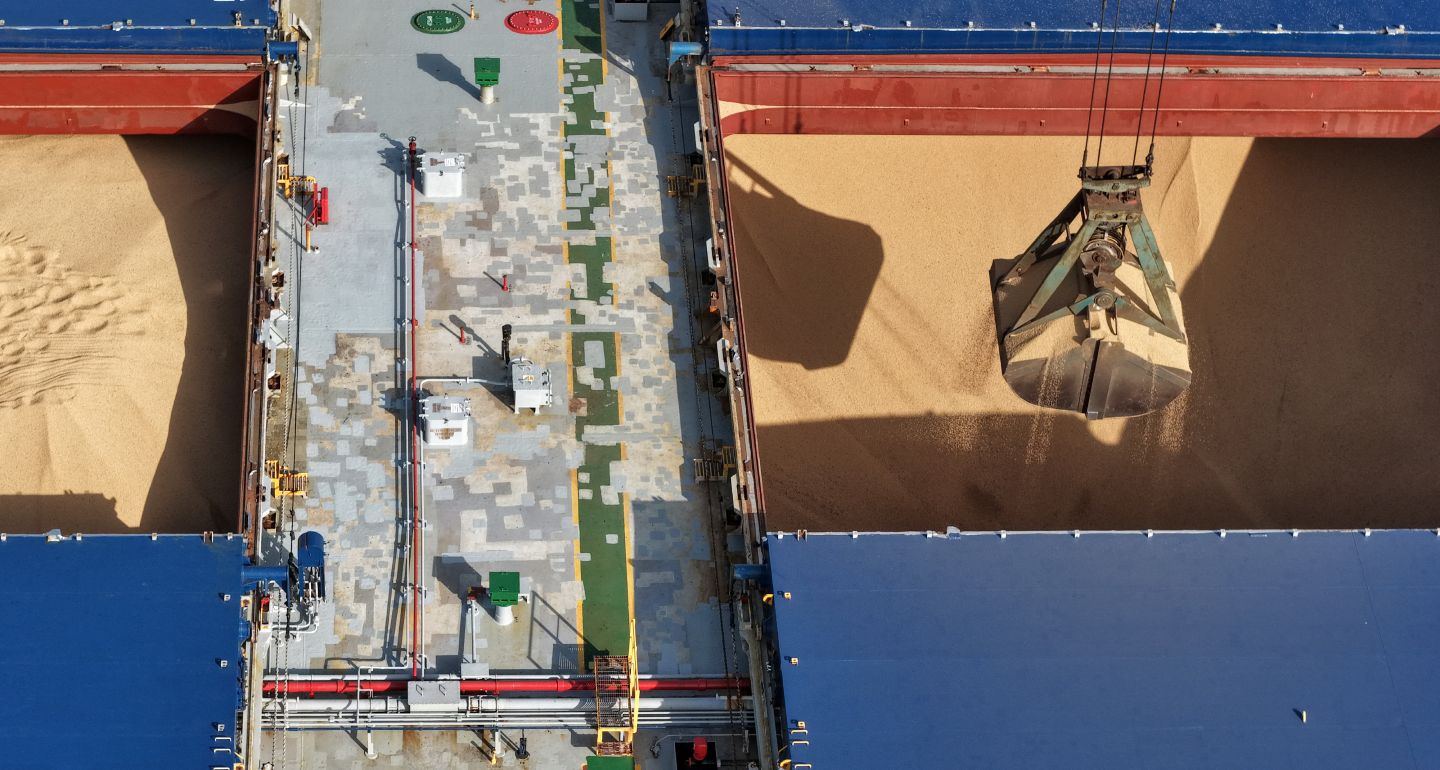
While the current surge in grain trading activity in the Caspian Sea is undeniably impressive, it is constrained by financial, infrastructure, geographic, military, and environmental factors.
Nikita Smagin
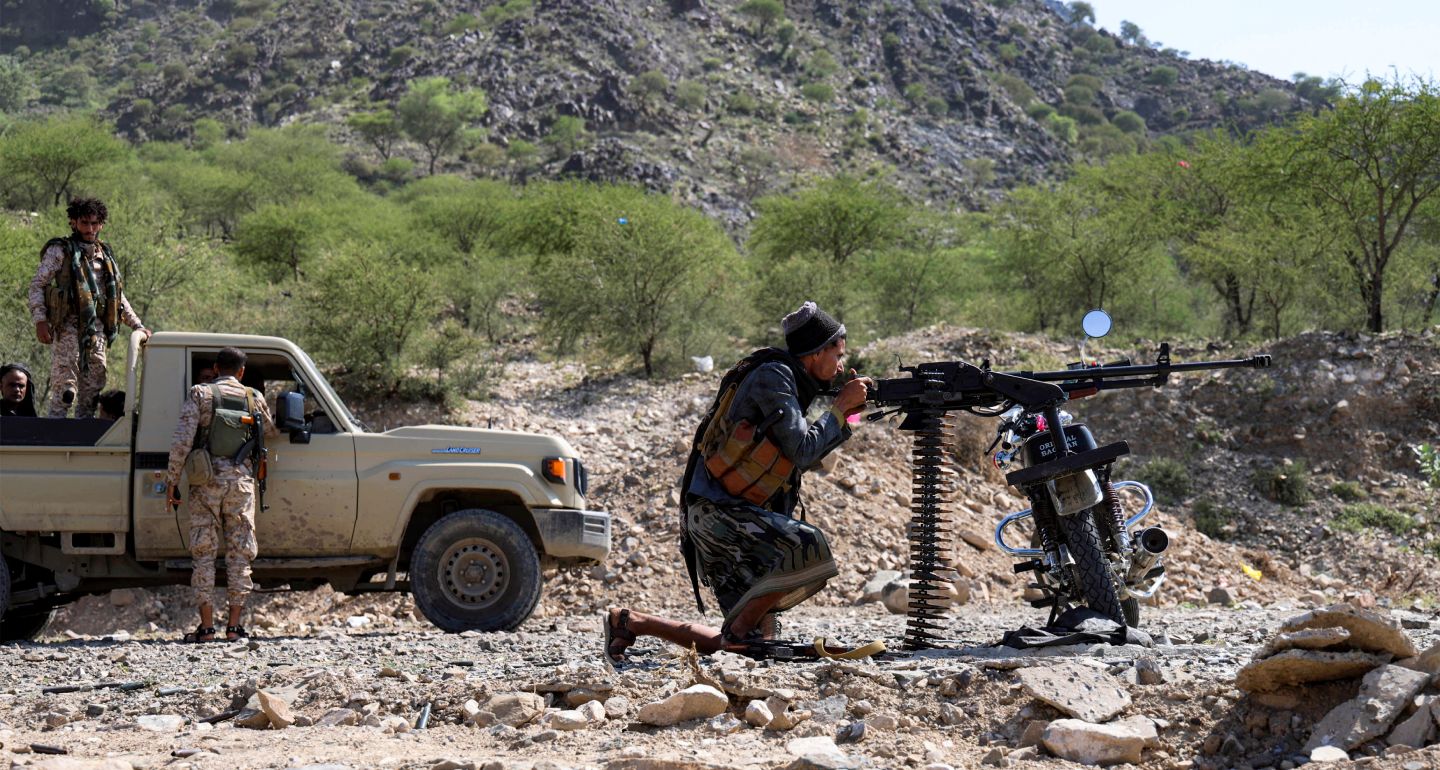
Russia officially endorses Yemen’s formal government while quietly providing military support to the Houthi rebels. However, recent escalation in Yemen has thrust Russia’s game into the spotlight—and risks endangering its relations with the Gulf states.
Ruslan Suleymanov
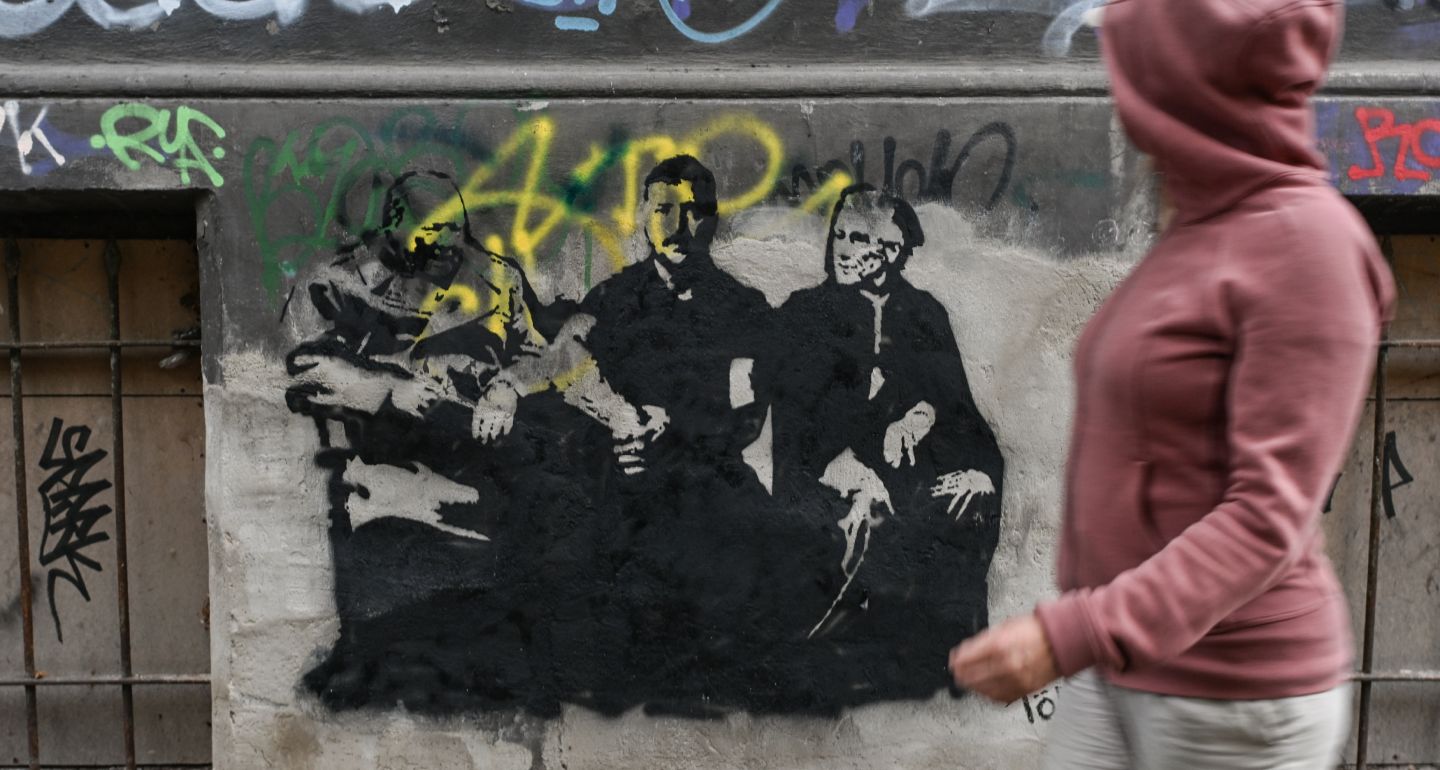
The concrete goal of an end to the hostilities in Ukraine has been replaced by a host of vague Russian demands concerning a range of issues and regions.

Alexander Baunov
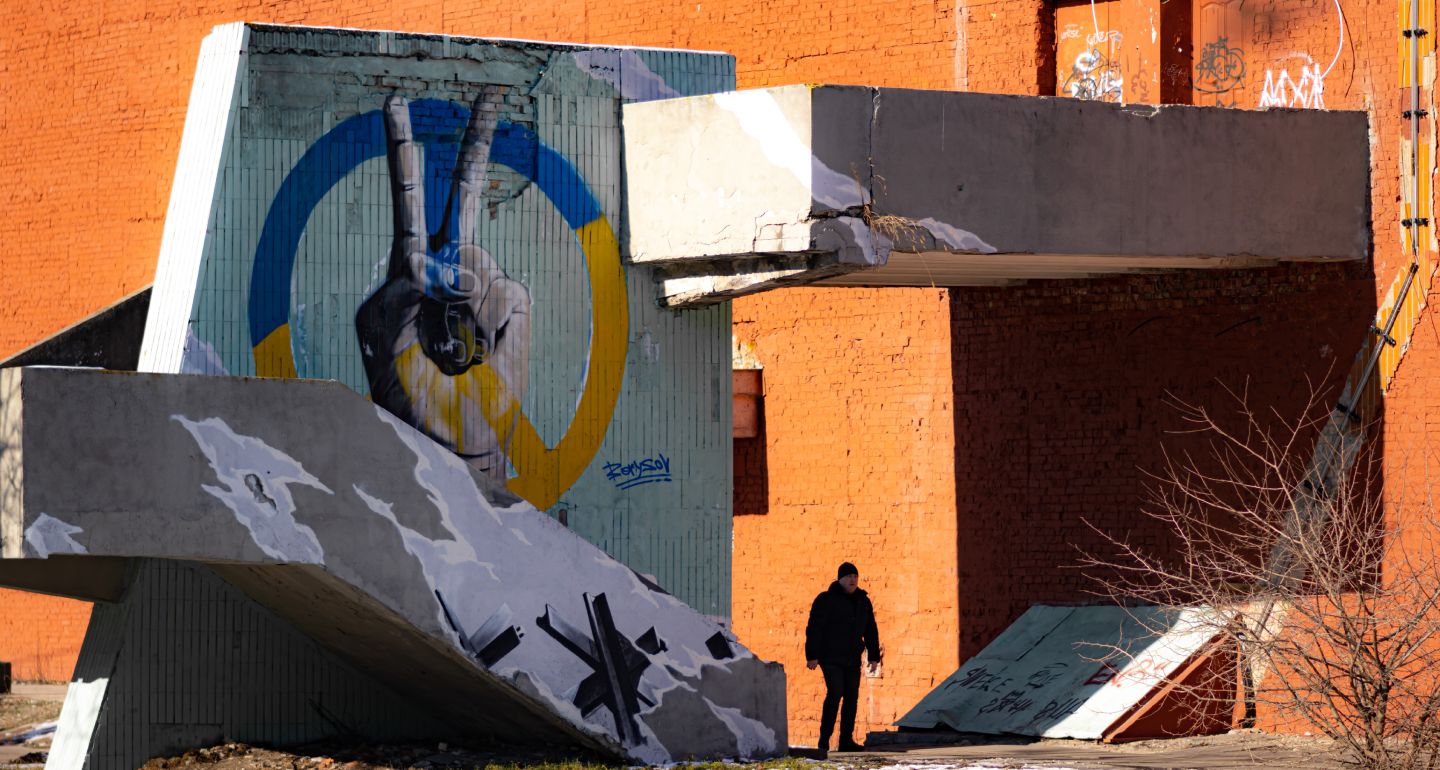
The Kremlin’s unwillingness to discuss anything other than capitulation is doing more to undermine the potential emergence of a party of peace in Ukraine than any domestic patriotic propaganda.
Konstantin Skorkin
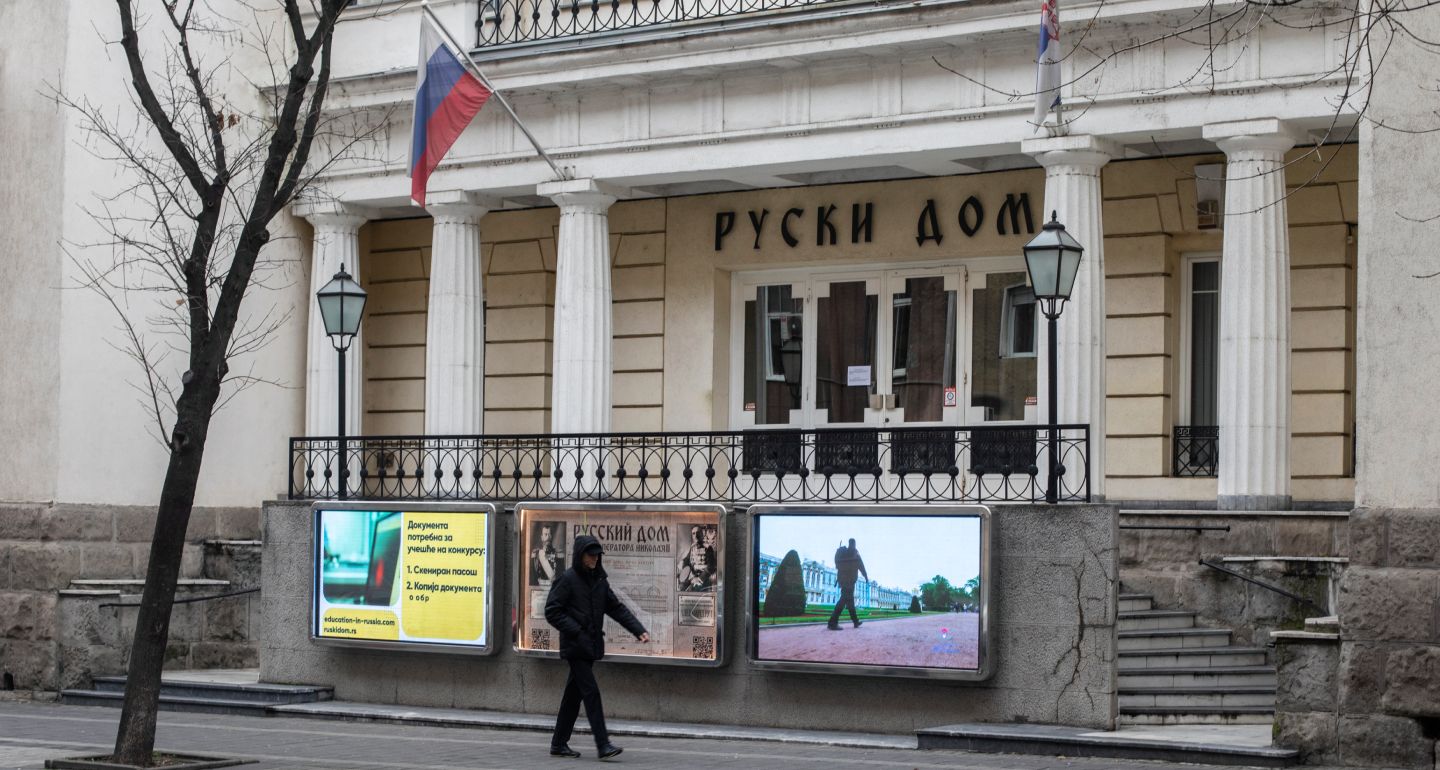
It’s a testing time for Russia’s policy in Serbia and the wider region, but it would be premature to conclude from one political setback that the days of Russian influence are over.

Dimitar Bechev